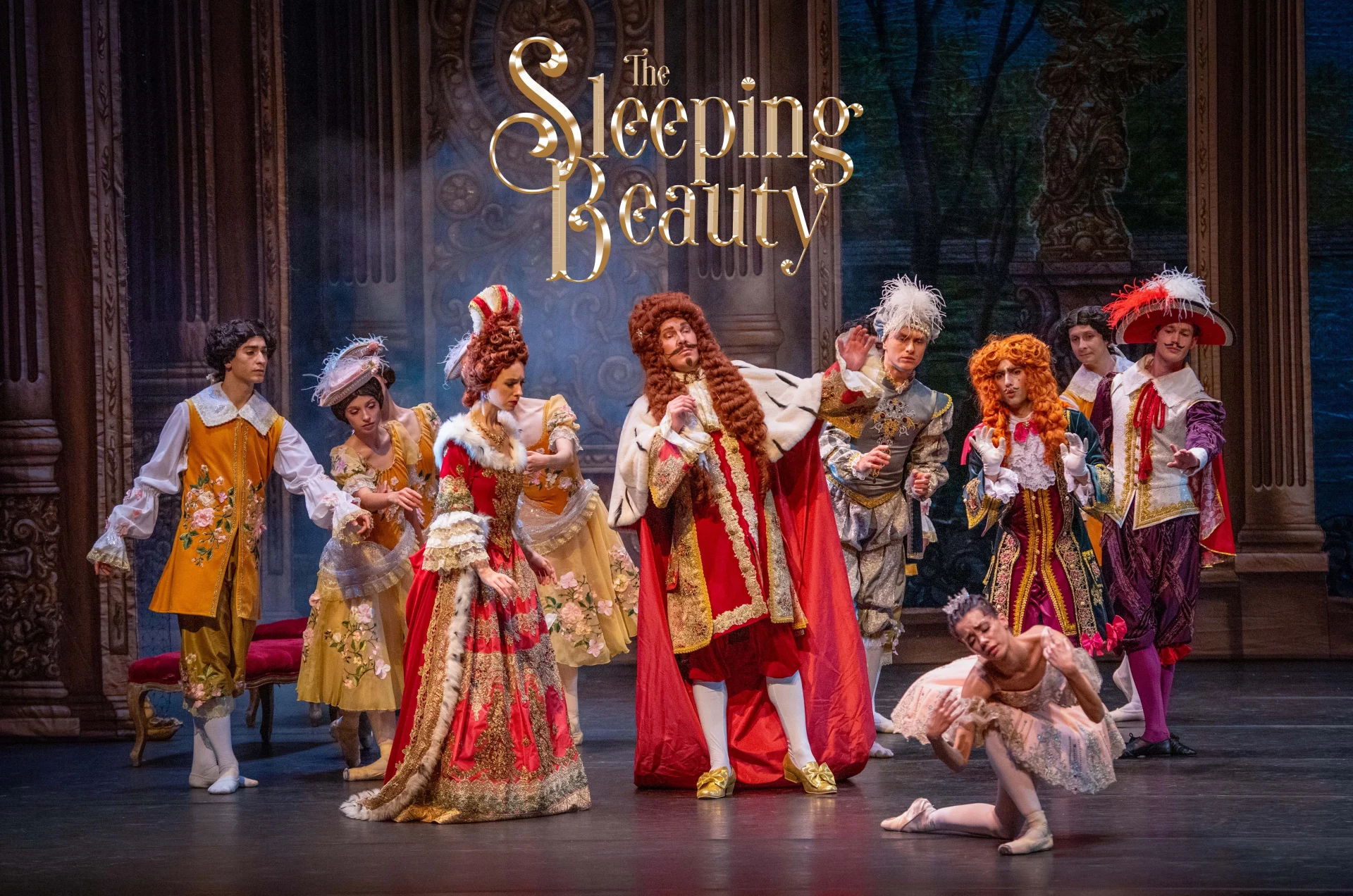
The Sleeping Beauty
- Home
- Performances
- The Sleeping Beauty
The Sleeping Beauty Ballet
For over a century, The Sleeping Beauty has stood as one of ballet’s grandest fairy tales — born from the legendary partnership of choreographer Marius Petipa and composer Pyotr Ilyich Tchaikovsky, and first brought to life at Russia’s Imperial Mariinsky Theatre.
This touring production, led by Michael Art and performed by the United European Ballet Company, carries that legacy across the United States and Canada with hand-painted sets, lavish costumes, and a cast trained in the finest classical tradition. Sweeping waltzes, a wicked curse, and a century of enchanted sleep come together for an evening built to feel just as magical for lifelong ballet lovers as it does for a family’s very first night at the theatre.
Timeless Ballet Production
A christening turns to catastrophe when an uninvited fairy curses baby Aurora to an eternal sleep, broken only by true love’s kiss. The Lilac Fairy softens the curse, a kingdom falls silent for a hundred years, and a prince, came through an enchanted forest, arrives just in time to wake more than a princess — he wakes an entire world.
Every scene is filled with beauty, grace, and theatrical grandeur, making this legendary ballet an unforgettable experience for audiences of all ages, from the youngest first-time visitor to the most devoted ballet fan.
Principal Dancers

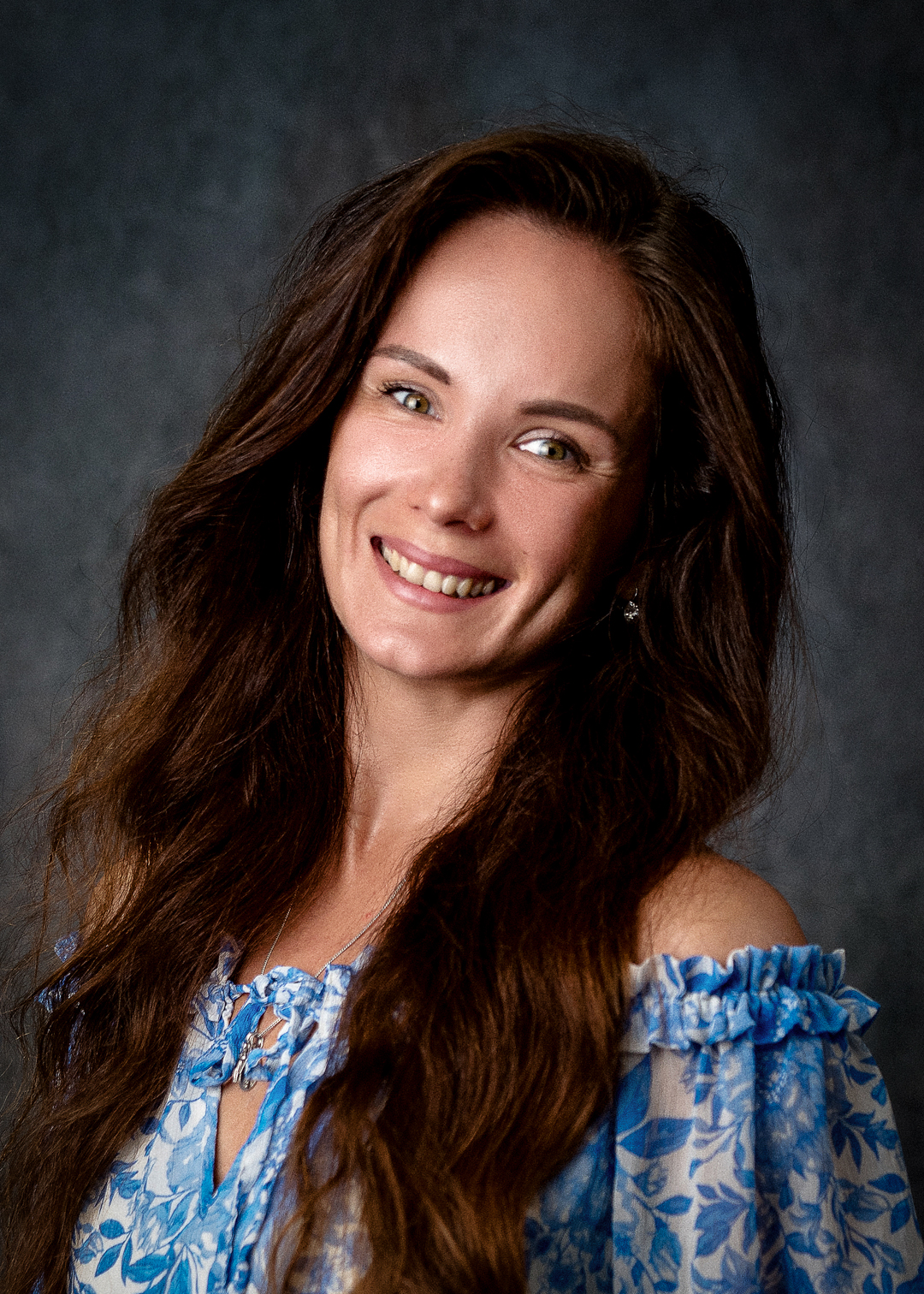
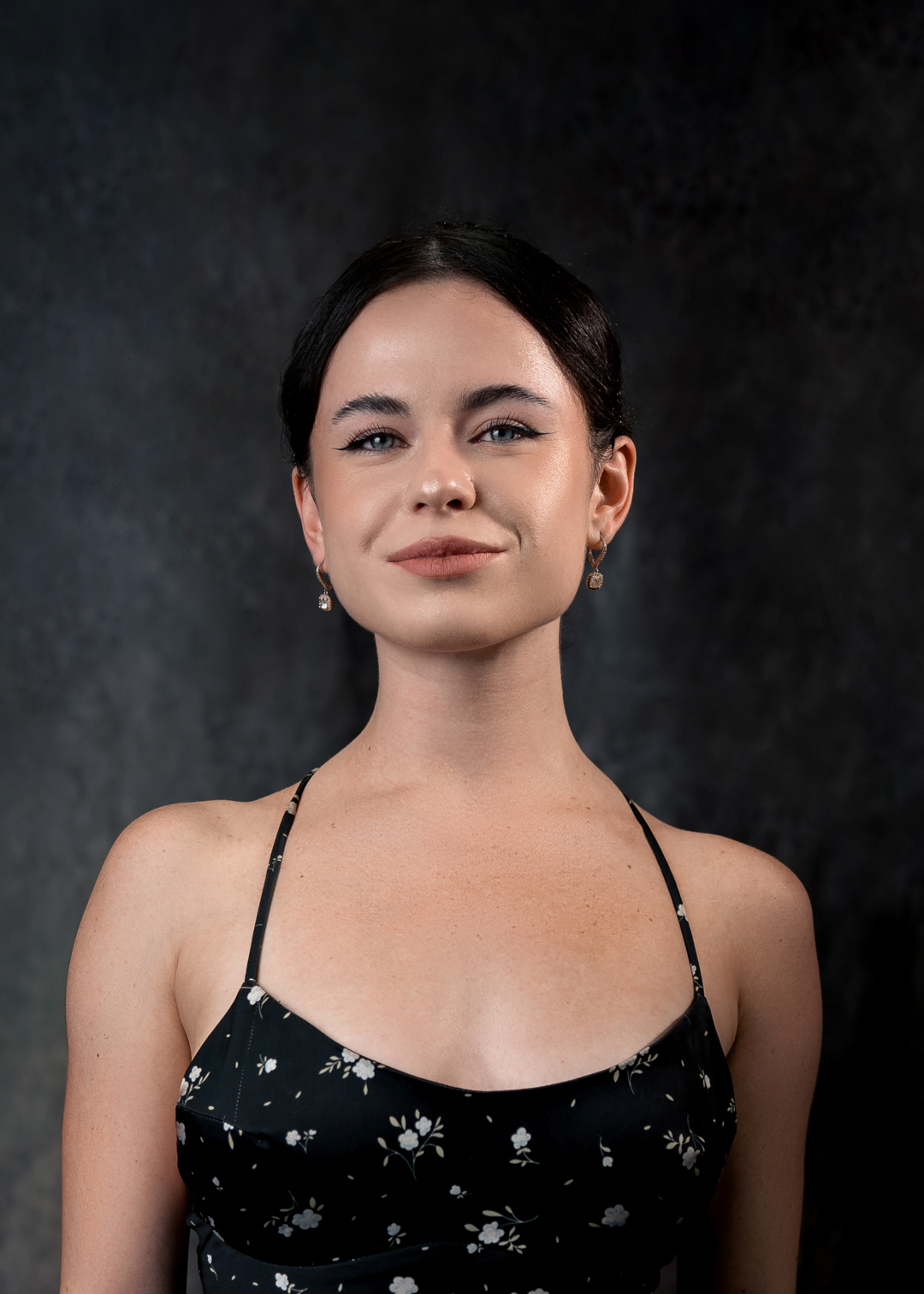
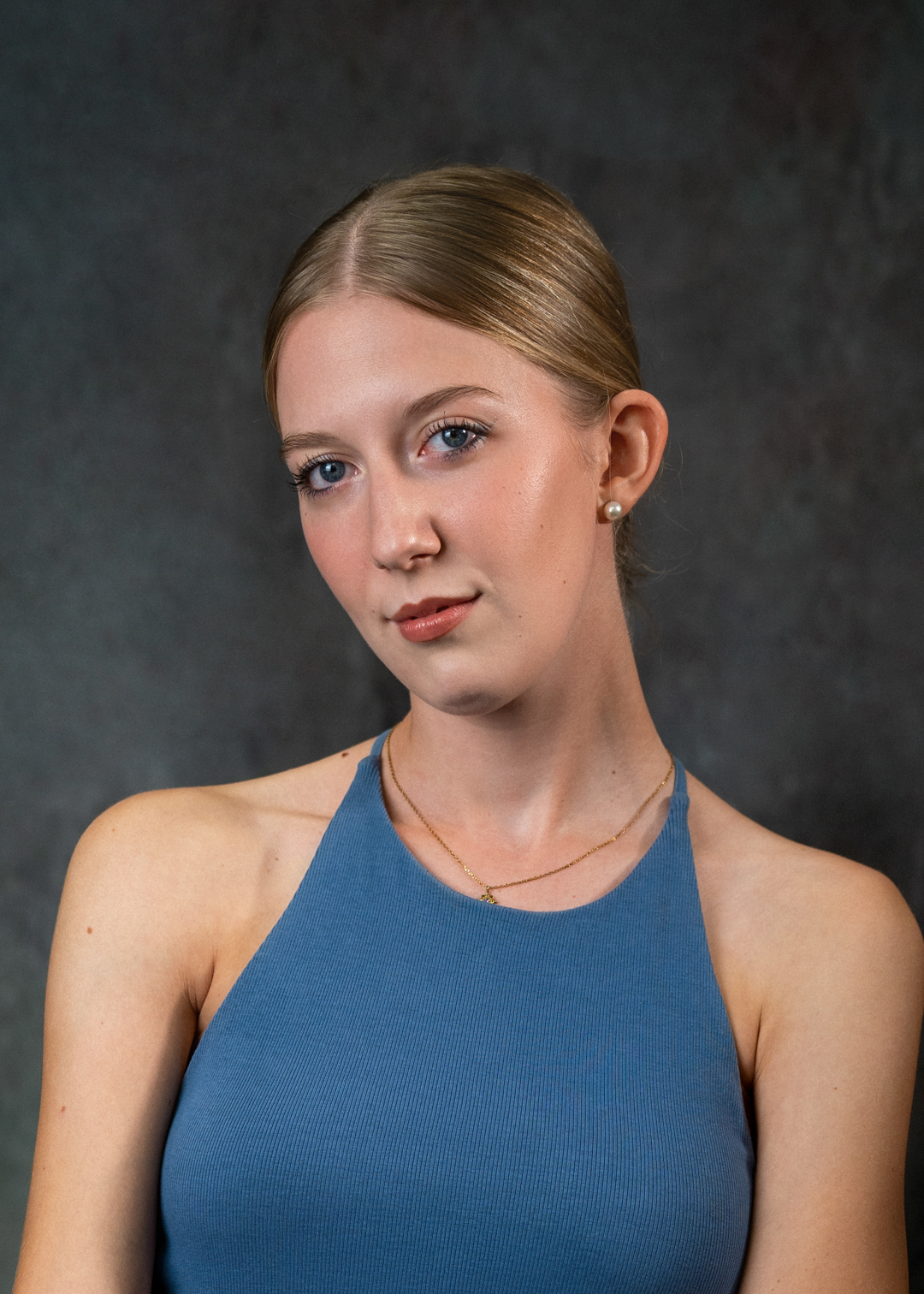
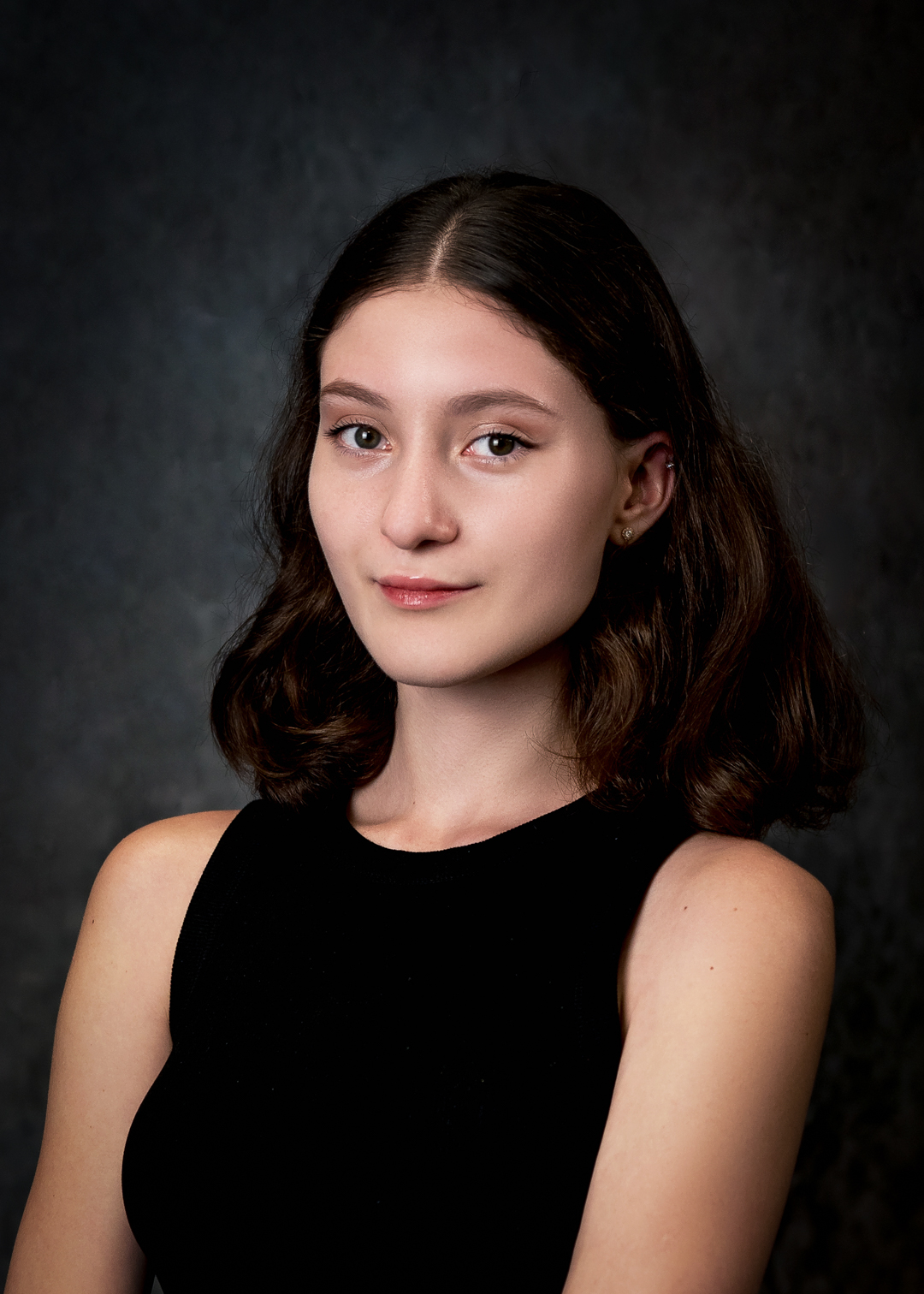
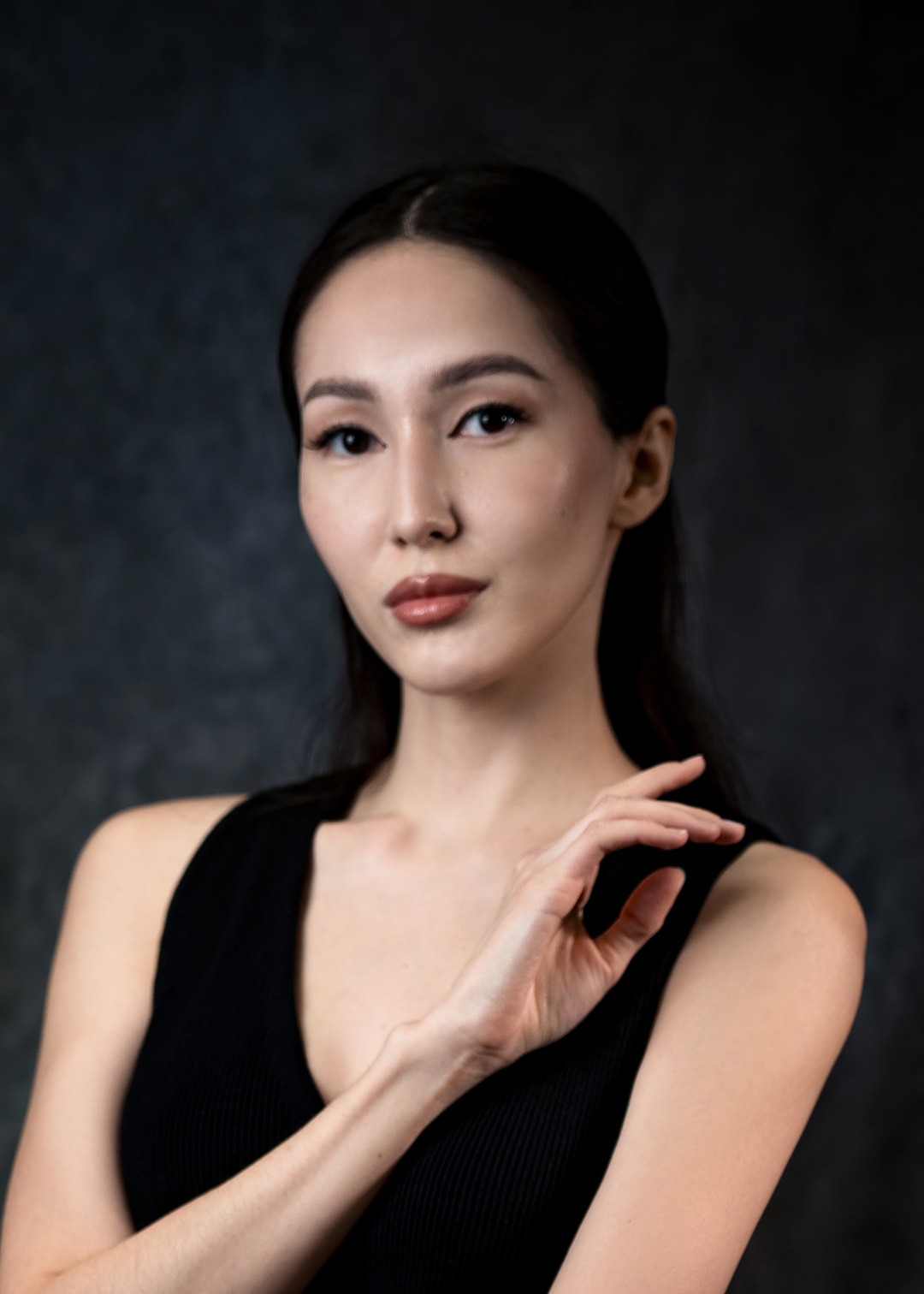
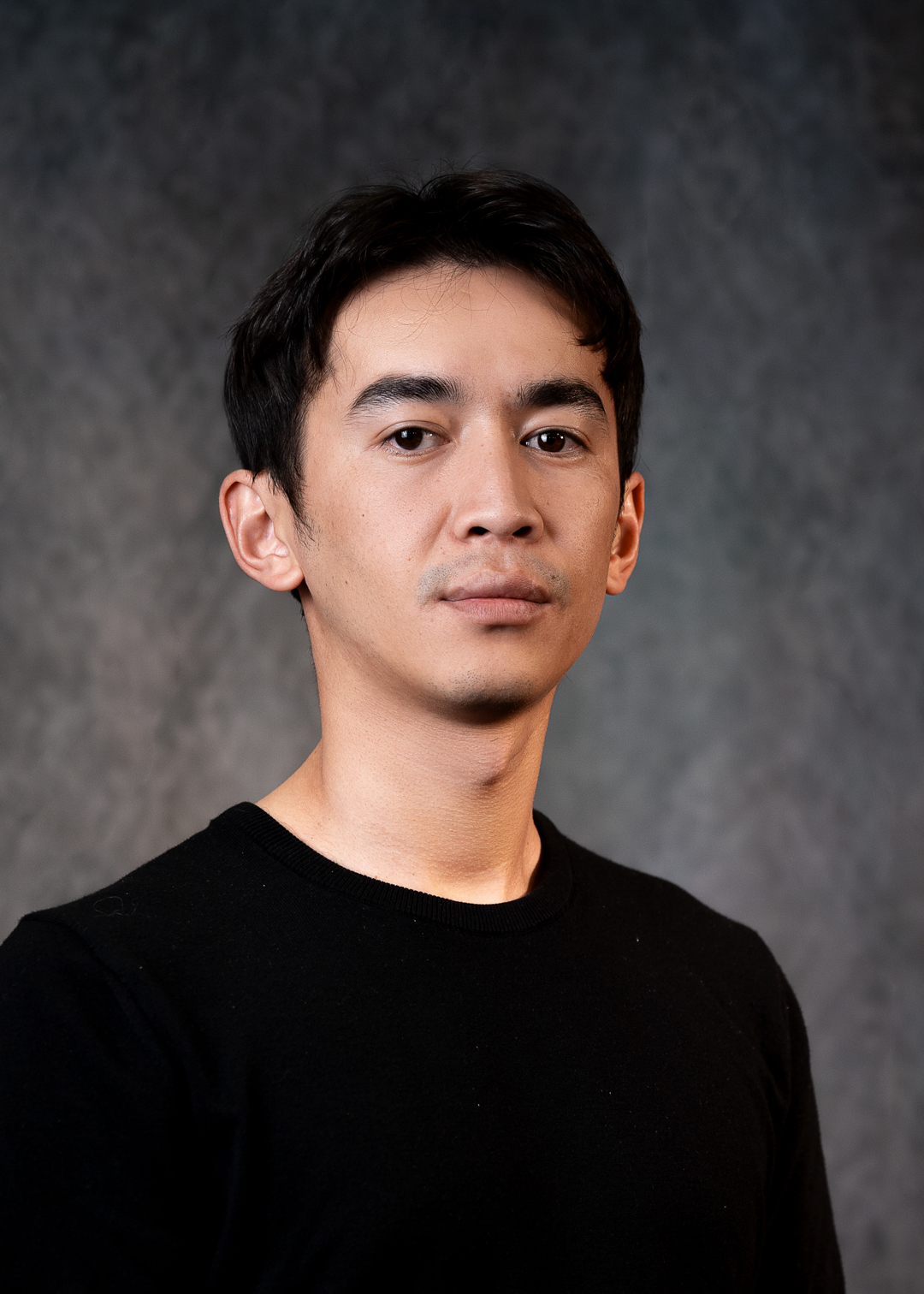
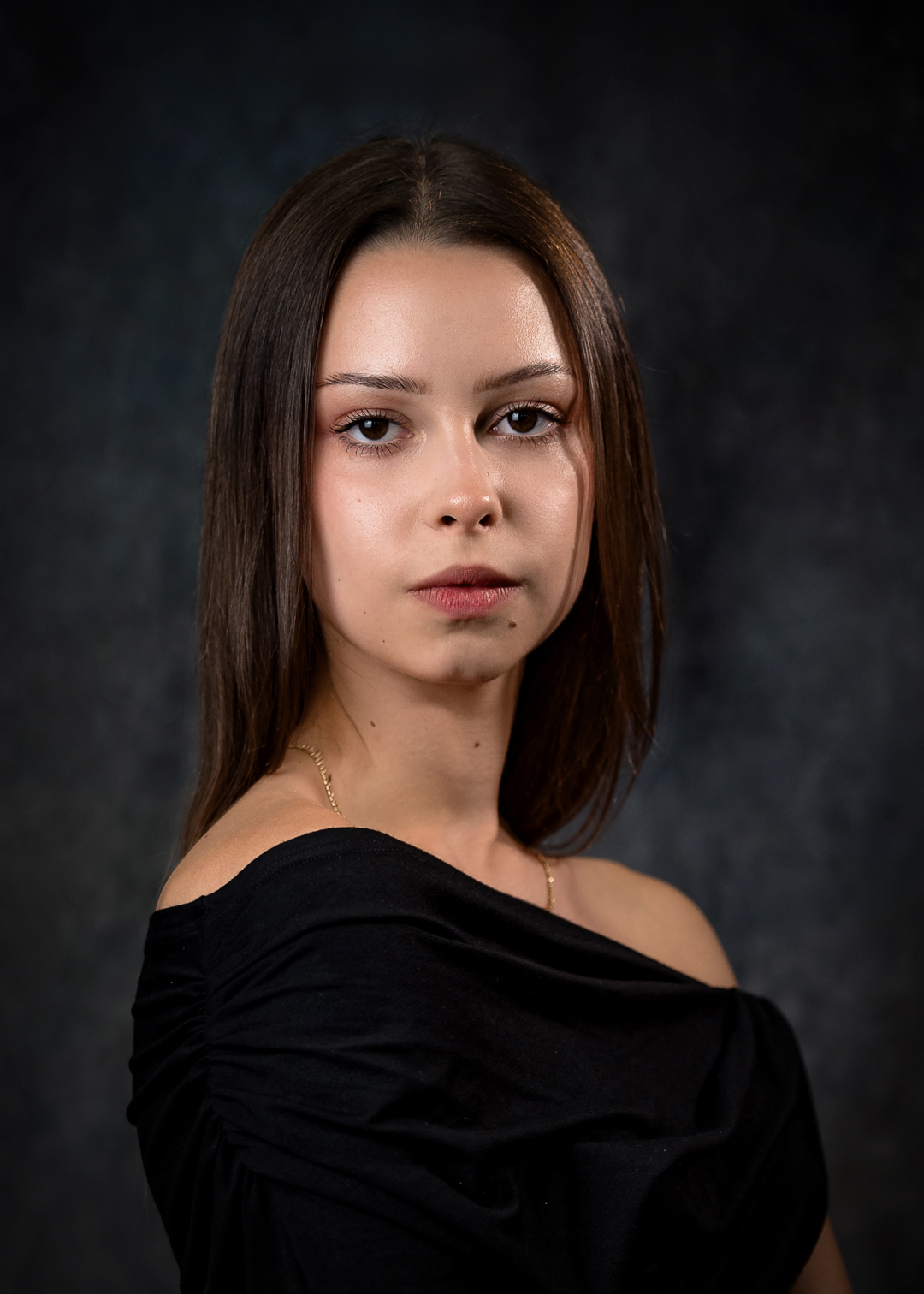
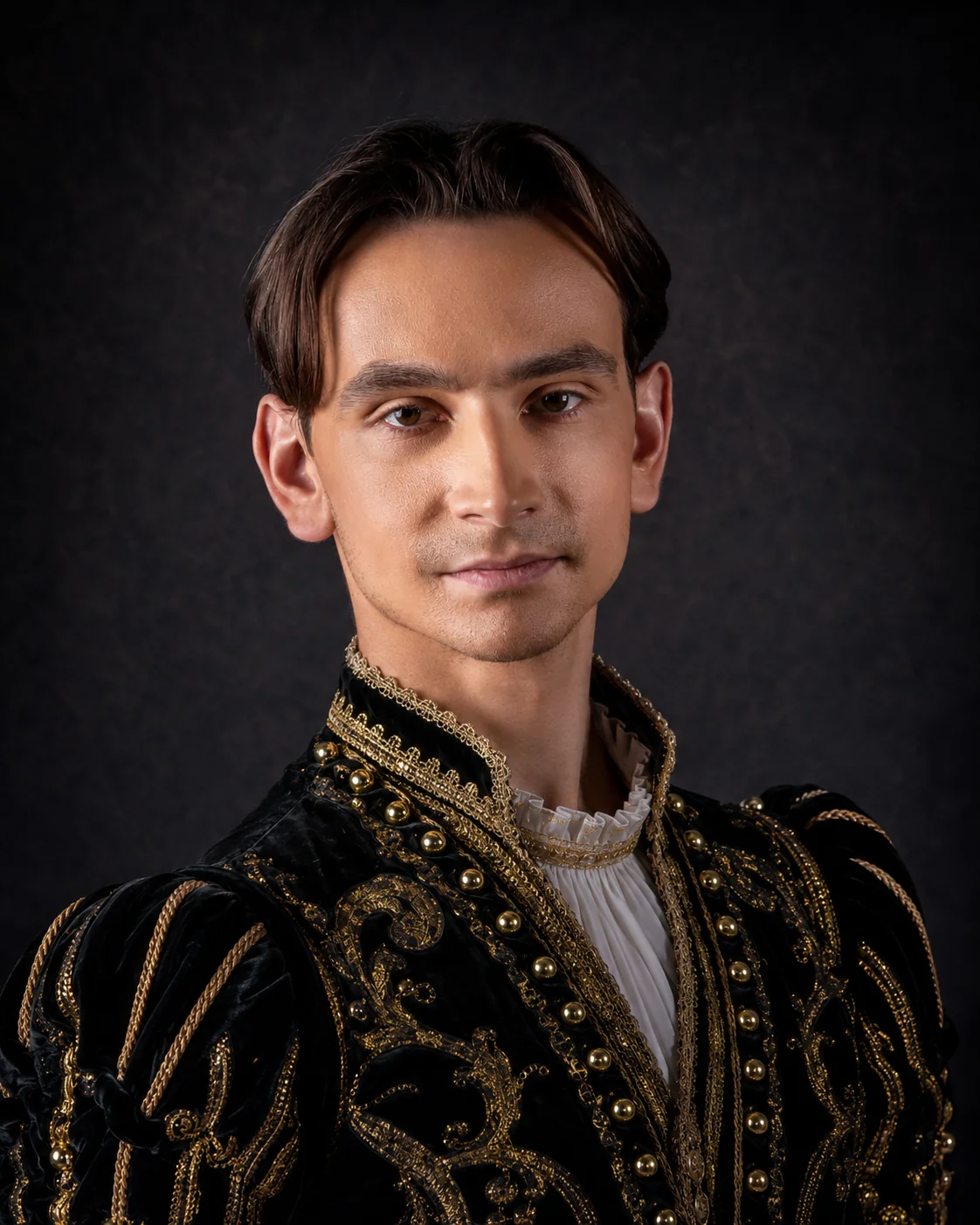
Sergui Zdanschi is an internationally trained principal ballet dancer from Chișinău, Moldova, known for his powerful classical technique, elegant partnering, refined stage presence, and expressive interpretation of leading male roles. A graduate of the National College of Choreography in Chișinău, Sergei has performed across Europe, Asia, and North America, appearing in major classical productions including Swan Lake, The Nutcracker, The Sleeping Beauty, Don Quixote, Le Corsaire, Cinderella, and Snow White and the Seven Dwarfs.
Read More
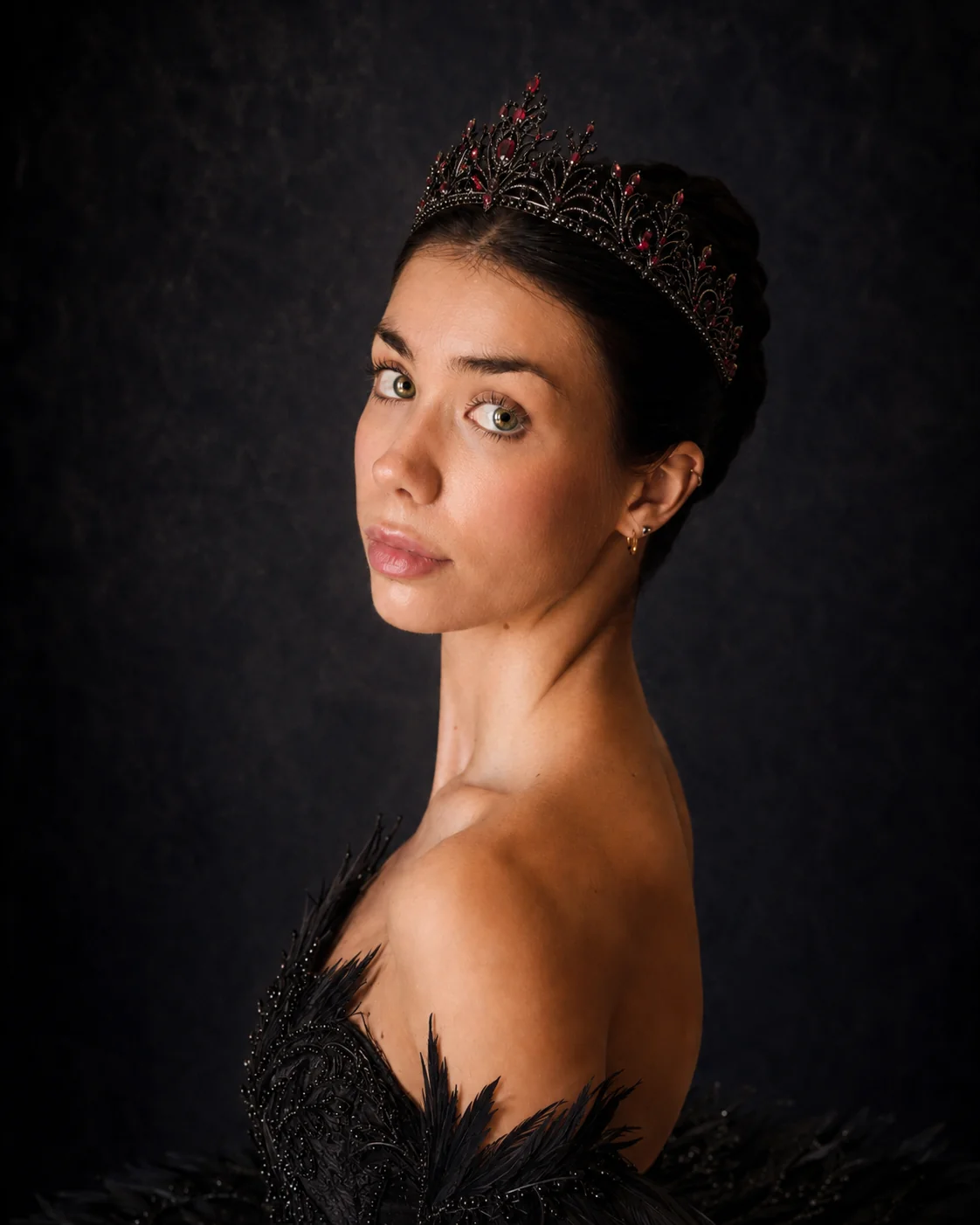
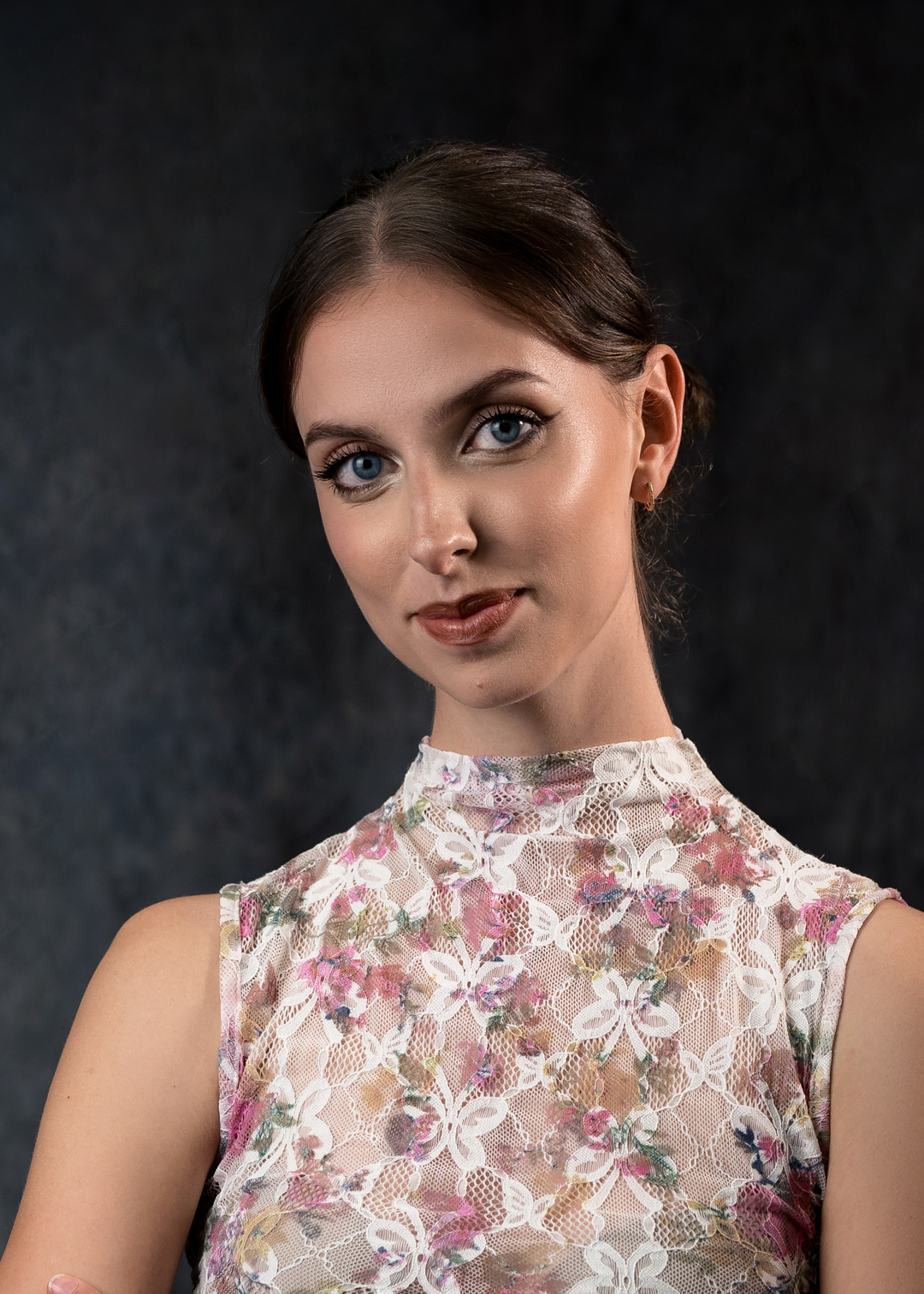
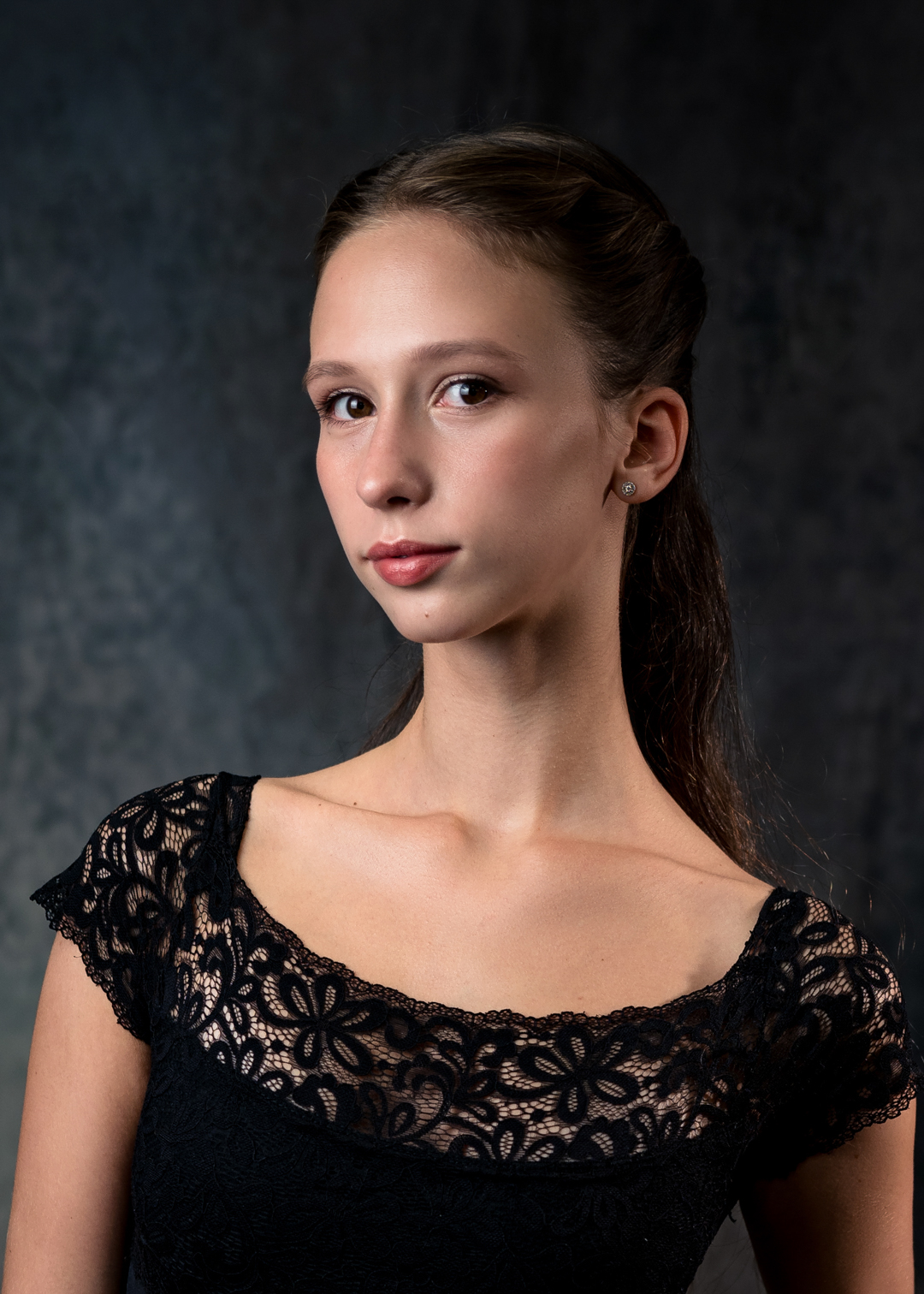
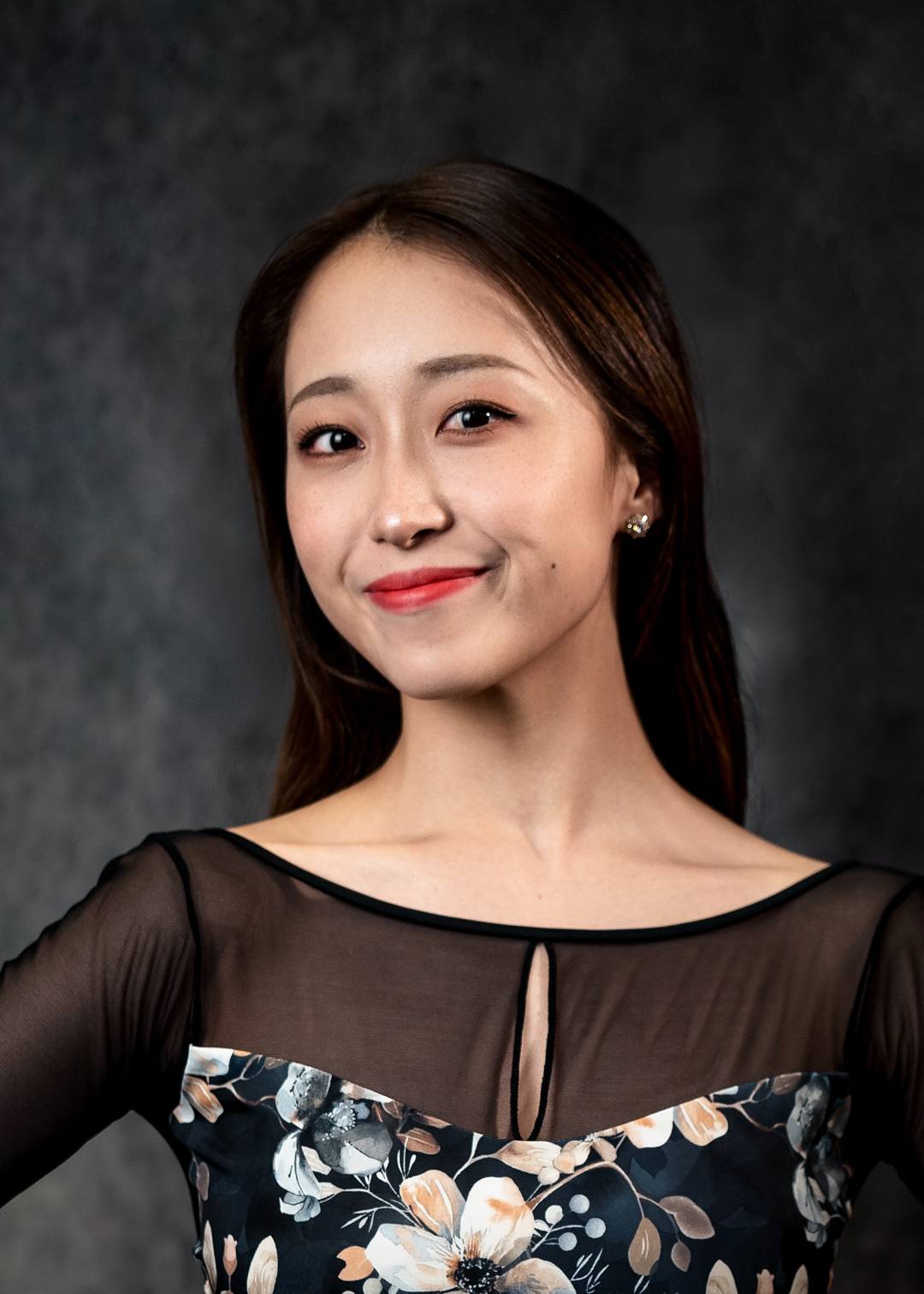
Ilona Baitler is a Ukrainian prima ballerina and principal dancer known for her elegant classical technique, expressive artistry, and powerful stage presence. Born in Dnipro, Ukraine, she represents a new generation of ballet artists whose performances combine refined academic training with emotional depth and dramatic clarity. Her repertoire includes leading roles in Swan Lake, The Sleeping Beauty, Cinderella, The Nutcracker, Don Quixote, Giselle, Snow White, and The Forest Song.
Read More
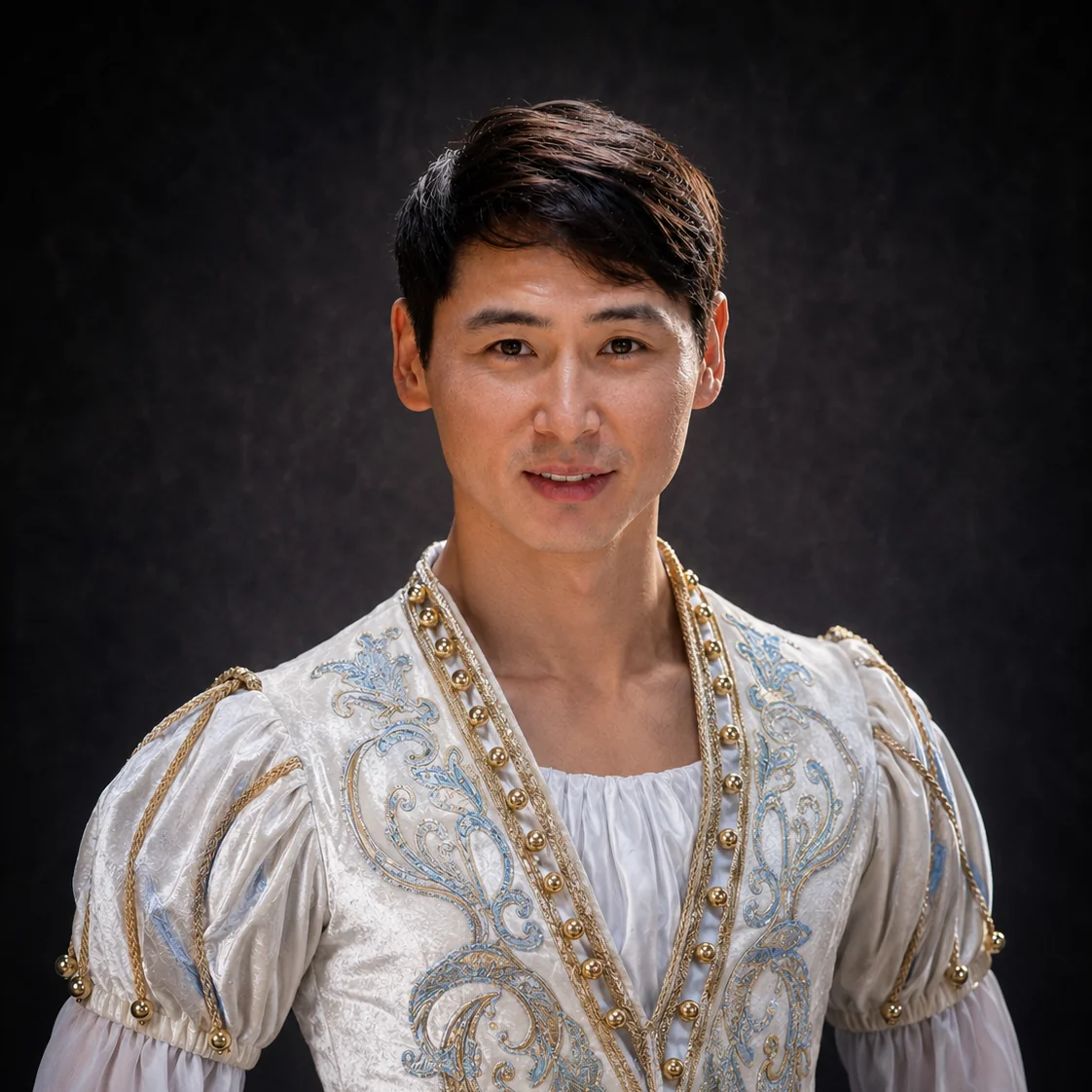
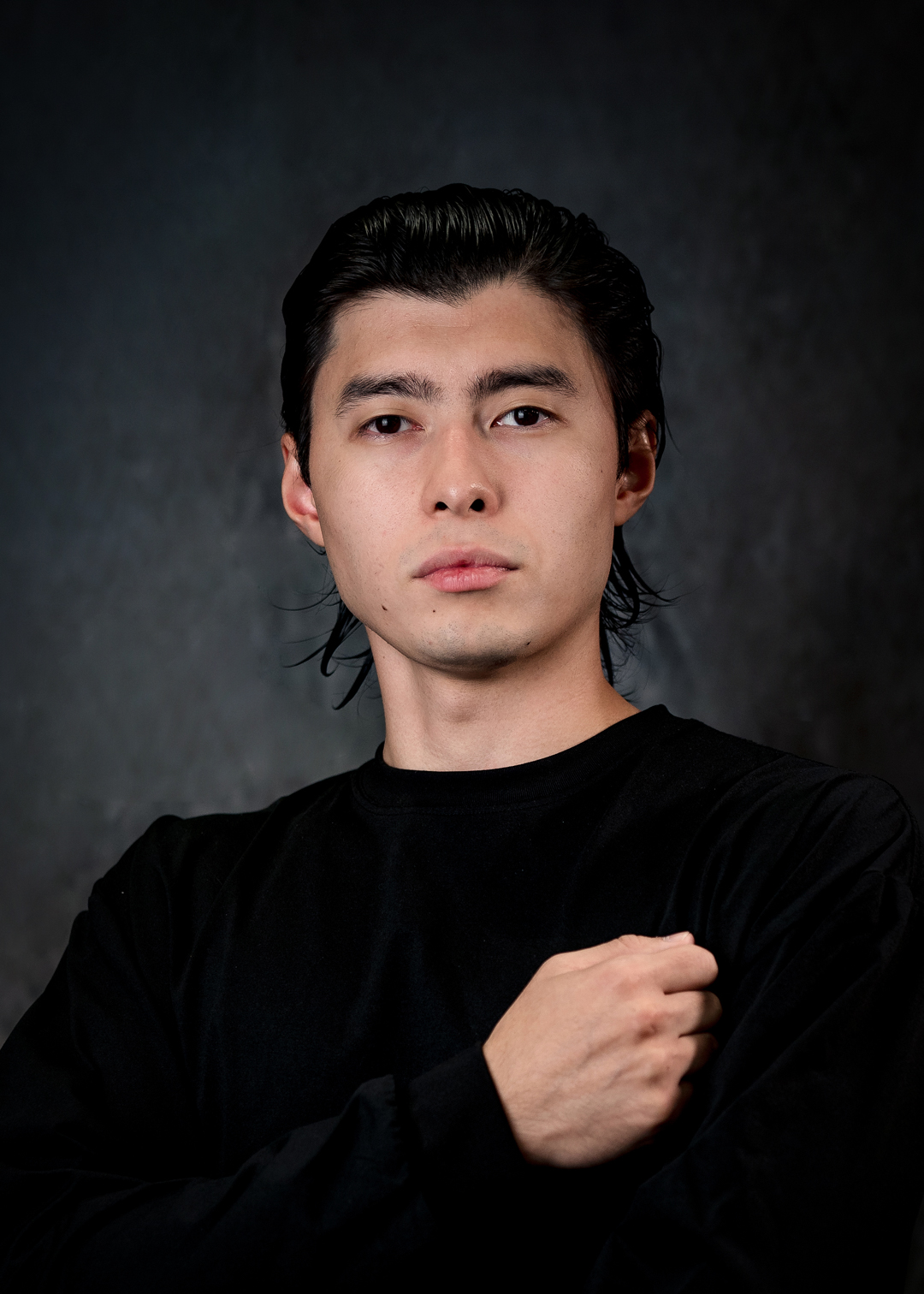
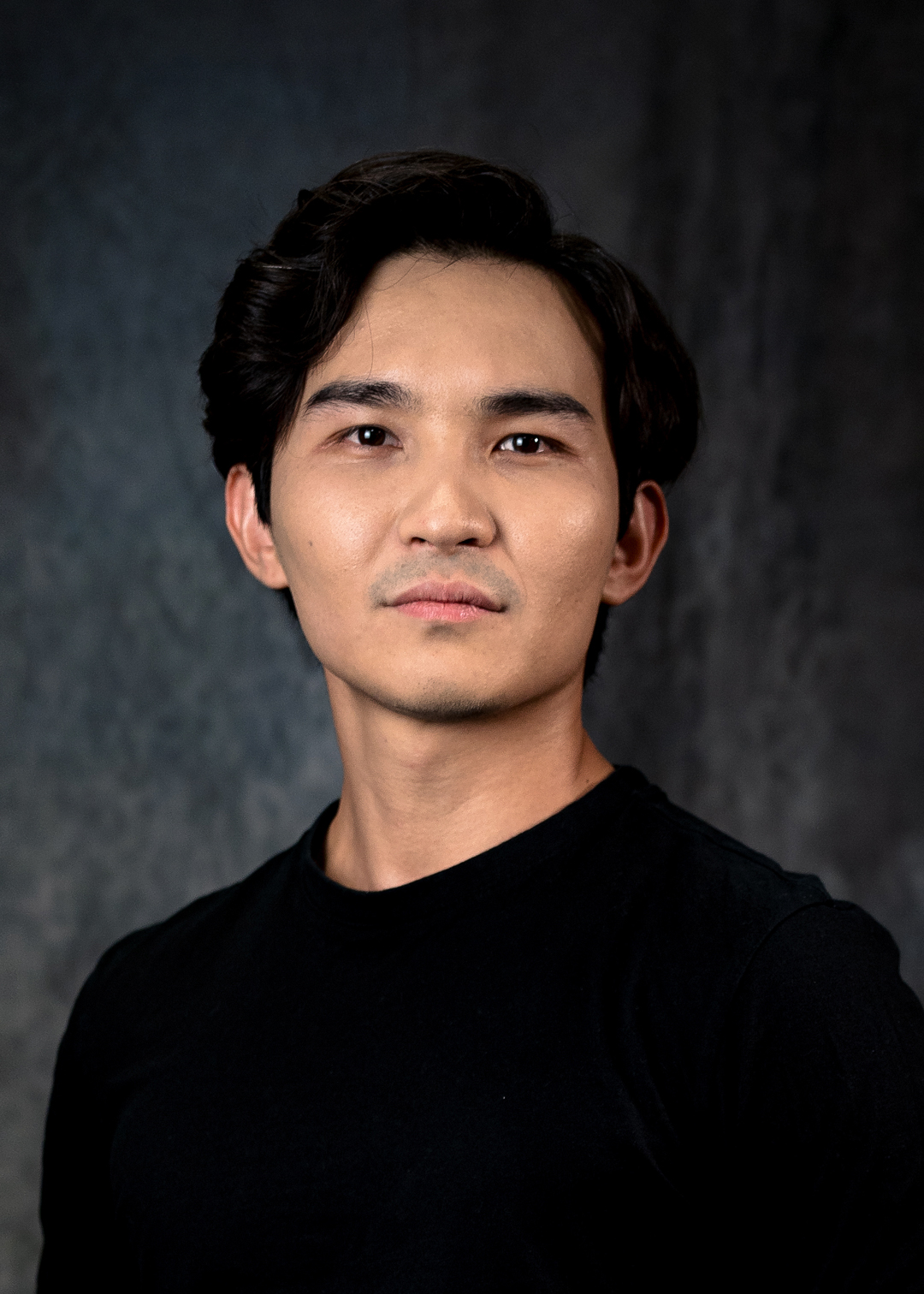
Kanat Nadyrbek is an internationally acclaimed principal ballet dancer, choreographer, stage director, and Honored Artist of the Kyrgyz Republic. Born in Balykchy, Kyrgyzstan, he has built a distinguished career across Asia, Europe, Russia, South Korea, the United States, and Canada.
Read More
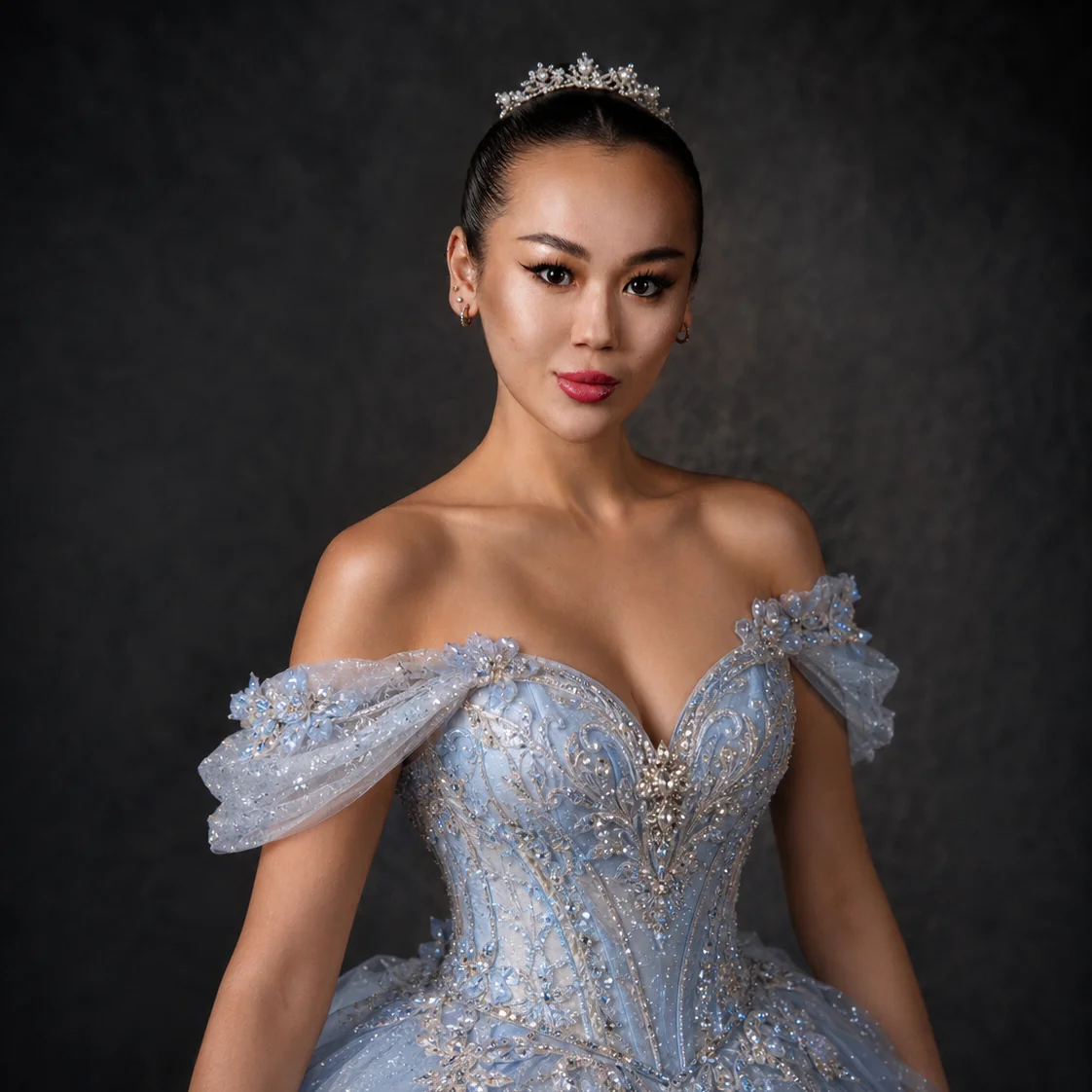
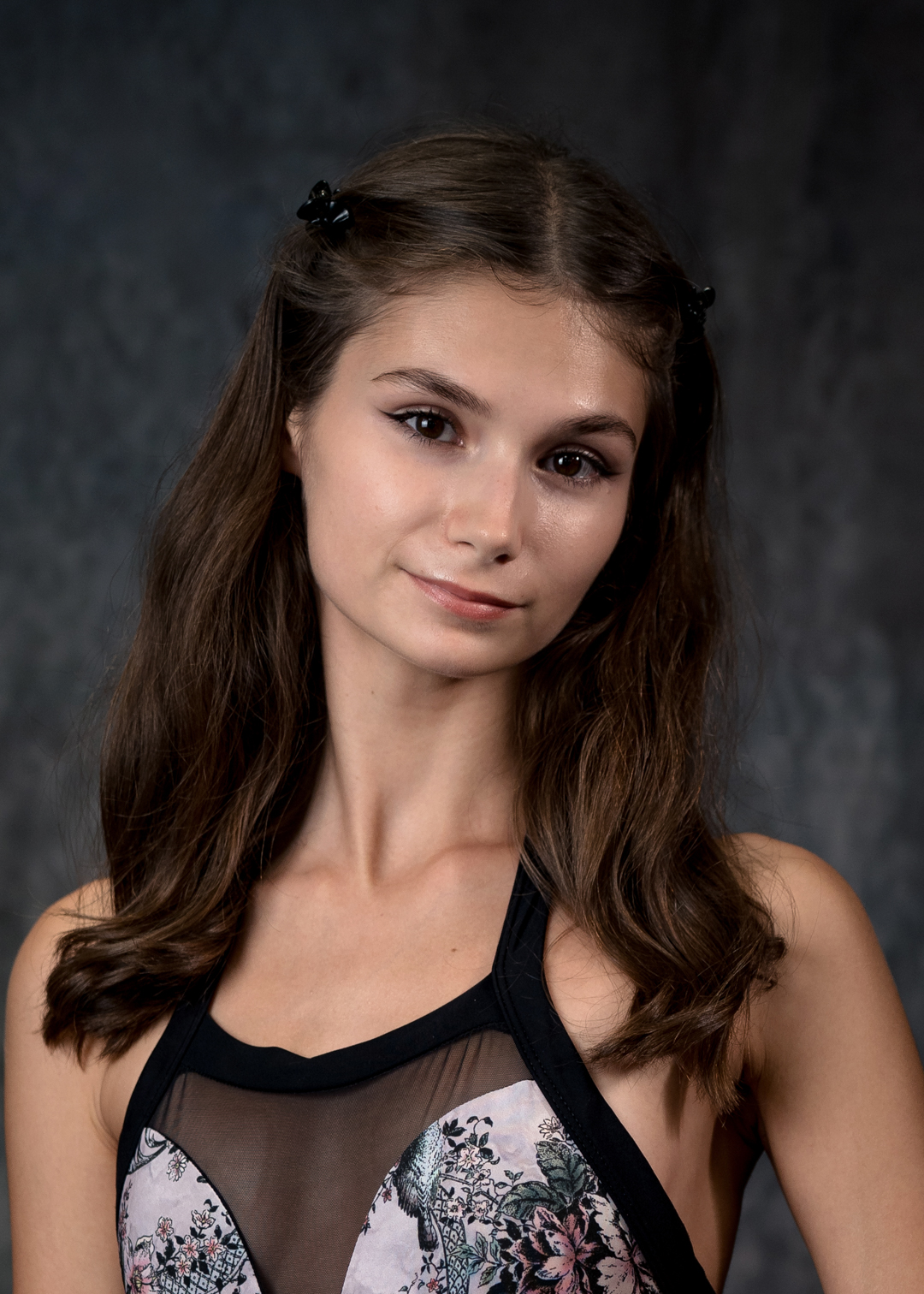
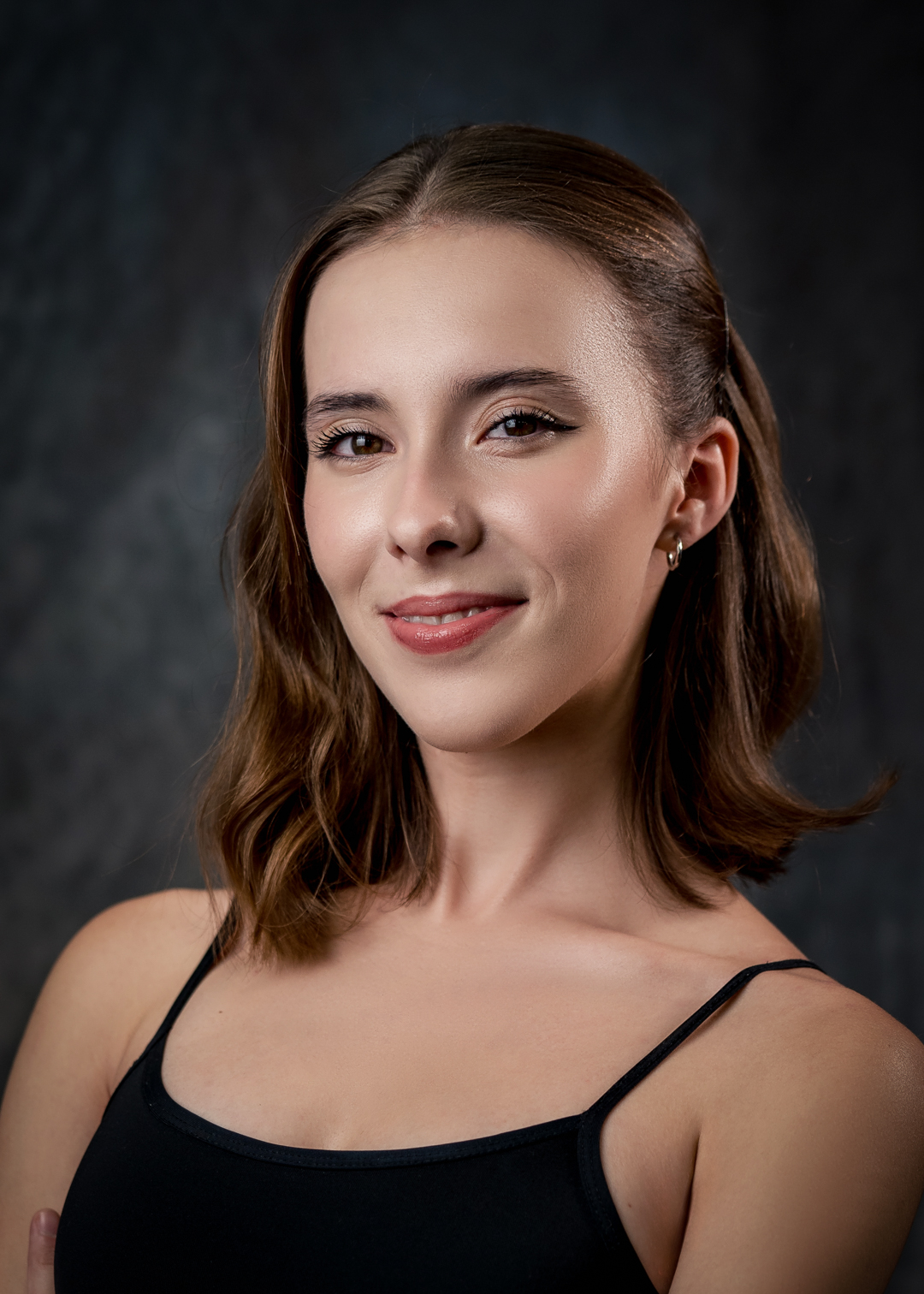
Ravshan Kyzy Suiumkan is a professional classical ballet dancer from Kyrgyzstan, internationally active as a principal and soloist performer in full-length classical productions. She is recognized for her strong classical technique, expressive stage presence, and versatility across both lyrical and virtuoso repertoire. Her work includes leading roles in Swan Lake, The Sleeping Beauty, and The Nutcracker, as well as participation in international touring ballet projects across Europe and the United Kingdom.
Read MoreFirst Soloists
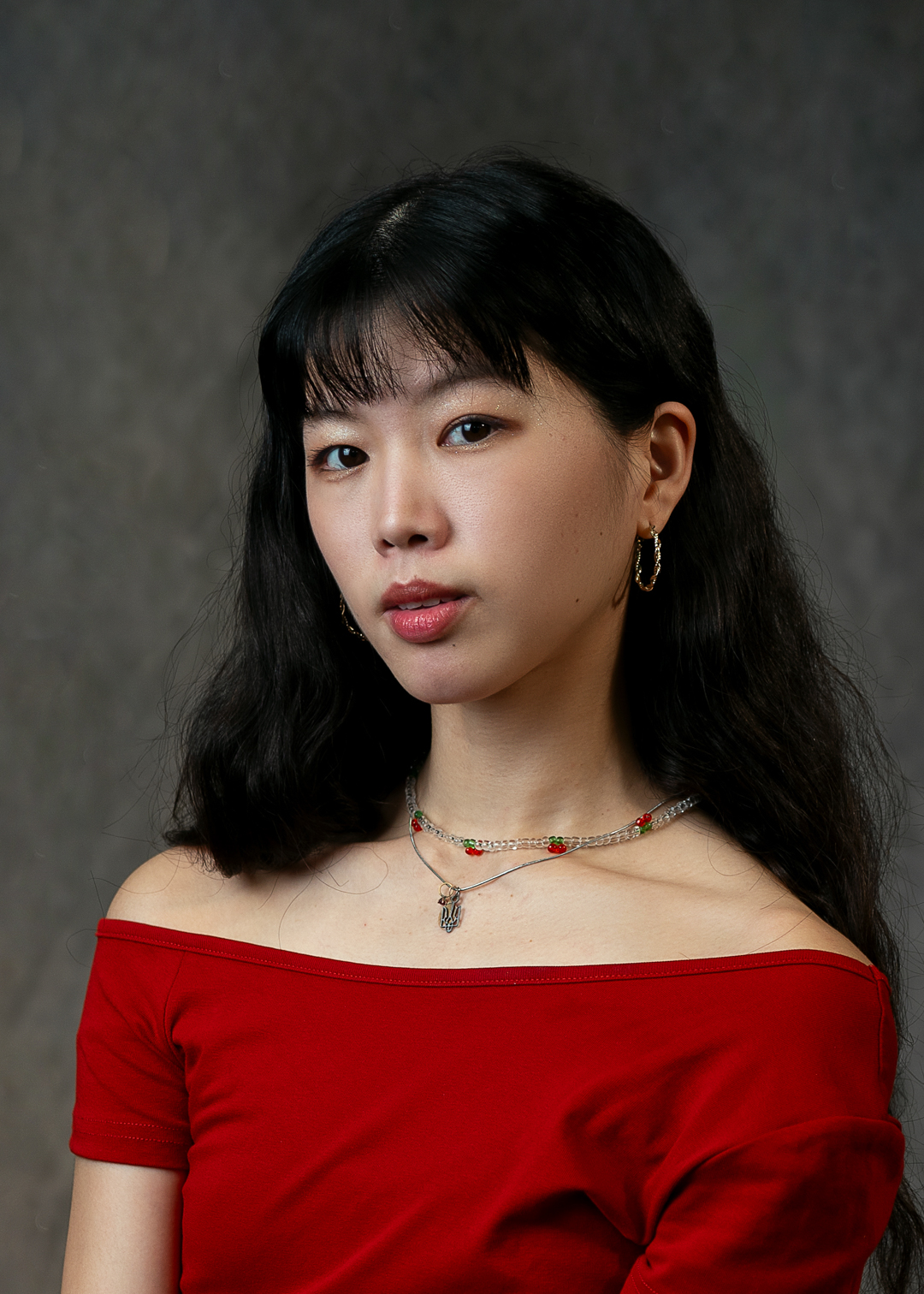
Corps de Ballet
View the Full Program
Meet the cast, the composer, and the creative team before the curtain rises. Download the official playbill for behind-the-scenes stories, cast bios, and everything you need to make the most of your night at the ballet.
Our Most Popular Ballet Productions
Frequently Asked Questions
How long does The Sleeping Beauty run?
The performance runs about two hours and ten minutes in total, a fifty-nine-minute first act, a twenty-minute intermission, and a fifty-one-minute second act, so it’s worth planning your evening around that.
Is it appropriate for young children?
Yes, it’s generally recommended for ages three and up, though Carabosse’s scenes carry a touch of drama that very young or sensitive children may find intense. Most families find it a gentle first classical ballet.
How do I get tickets?
Tickets are sold through local box offices and official ticketing partners such as Ticketmaster. Find your city on the tour schedule page to see dates near you and reserve seats online.
Is there a live orchestra?
Depending on the venue, the show features either a live orchestra or a professionally mastered recording, and this detail is always noted on each city’s event page.
Can I take photos during the performance?
Photos are welcome in the lobby and during curtain call, so feel free to capture the moment before and after. Photography and flash are not permitted once the performance begins, out of respect for the dancers on stage.
Is there a dress code?
There’s no formal dress code. Most guests choose smart casual or business casual attire, though comfortable clothing that suits the occasion is always fine.
Voices from Our Audience
Posted on Google Haleh Field Onegin Ballet- Honestly, Onegin is one of the best ballets I have ever seen, and without a doubt, my favorite. I’m surprised it isn’t even more widely known because it is truly exceptional. Every aspect of the production was outstanding, from the breathtaking performances and beautiful costumes to the incredible choreography and emotional storytelling. It completely captivated us from beginning to end. We thoroughly enjoyed every minute and would highly recommend it to anyone who appreciates ballet or live theater.Posted on Google Aiza Nur Absolutely beautiful performance of Swan Lake. I enjoyed every minute and left with wonderful memories. The dancers were outstanding, and the atmosphere was magical. Highly recommended!Posted on Google Rohin Gupta Not a Ballet expert by any means but I took advantage of the 30 for 30 program to try something new and really found the experience worthwhile. I've heard about the legendary days Balanchine and Robbins so I've always wanted to experience it for myself. I definitely thought it was worthwhile and a great way to initiate young people into an art form they otherwise likely wouldn't have been exposed to.Posted on Google Gloria Anderson Amazing experience with my mother in love (law)Posted on Google Thomas SERRANO nov. 2025 Nous avons visité New York depuis le Montana pendant le week-end de Thanksgiving et nous avons décidé de faire des folies avec des billets pour la matinée du samedi de Casse-Noisette de George Balanchine le 29 novembre. Je vais être honnête à près de 300 $ la place pour notre famille de quatre personnes, nous étions hésitants. Mais n’ayant jamais vu cette tradition des Fêtes à New York, nous ne voulions pas manquer l’occasion. Ça en valait la peine. Les décors, le costume, la musique et les danseurs étaient absolument incroyables et vraiment à couper le souffle du début à la fin. Notre fille adolescente était complètement startruck en voyant Dominika de On Pointe de Disney+, qui s’est distinguée en tant que « Flower » avec une technique impeccable, un sourire énorme et une présence. Étonnamment, la vraie magie pour nous tous est venue des enfants. Nous ne savions pas à quel point les jeunes danseurs occupent une place importante dans cette production (apparemment, ce sont tous des étudiants de l’École de ballet américain. ) Ils étaient tout simplement spectaculaires. La jeune princesse ‘Marie’ et Prince ont fait livrer de grands solos avec une présence scénique incroyable pour de si jeunes enfants. Ils n’ont pas fait beaucoup de danse mais ont captivé tout le public avec ce quelque chose de spécial , il y avait des halètements de joie partout, et même des marmonnements d’«excellent» de la part de pros chevronnés et de clients de longue date autour de nous. Ce fut une expérience vraiment inoubliable pour toute notre famille et l'un des moments forts de notre voyage. Si vous vous demandez si cela vaut le prix, allez-y. Vous ne le regretterez pas.


History
This Sleeping Beauty ballet premiered on January 15, 1890, at the Imperial Mariinsky Theatre in St. Petersburg, commissioned by the Imperial Theatres specifically to pair Tchaikovsky’s music with Marius Petipa’s choreography. It was their first work together, a partnership that would soon produce The Nutcracker and a full revival of Swan Lake, together forming the three ballets for which Tchaikovsky is best remembered today.
Read More

The ballet draws on Charles Perrault’s seventeenth-century French tale rather than the more commonly known Brothers Grimm version, which gives this Sleeping Beauty ballet its particular blend of elegance and fairy-tale wonder. Petipa built the choreography around a strict classical structure, later refined with Lev Ivanov, that has barely changed in over a century of staging.
The reception at the premiere was respectful rather than rapturous, but it turned quickly. After Tchaikovsky’s death in 1893, the ballet’s popularity surged, and it was staged more than two hundred times within the following decade, a remarkable run for a work that had opened to lukewarm reviews. Today it stands alongside Swan Lake and The Nutcracker as one of the three pillars of his ballet output, and this touring production, performed by the United European Ballet Company, carries that legacy forward with hand-painted sets and more than two hundred costumes. Read on to see how the curse unfolds, the century of sleep, and the kiss that ends it.
Synopsis
The story opens at the christening of Princess Aurora, daughter of King Florestan XIV. Her godmother, the Lilac Fairy, arrives with a court of fairies — Tenderness, Vividness, Generosity, Courage, and Serenity, to bless the newborn with gifts fit for a future queen. The celebration turns cold the moment Carabosse, an evil fairy left off the guest list, appears uninvited and furious.
Carabosse curses baby Aurora, one day she will prick her finger on a spindle and fall into eternal sleep. The Lilac Fairy cannot undo the curse outright, but she softens it, Aurora will not die, only sleep, until true love wakes her. The king, desperate to protect his daughter, orders every spindle in the kingdom destroyed.
Sixteen years later, on the day of Aurora’s birthday celebration, an old woman offers the princess a spindle hidden among flowers. Aurora pricks her finger exactly as foretold, and the entire kingdom falls under the Lilac Fairy’s protective sleep alongside her.
A century passes before Prince Désiré, hunting in an enchanted forest, is shown a vision of Aurora by the Lilac Fairy and instantly falls in love. Guided through Carabosse’s last obstacles, he reaches the sleeping princess and wakes her with a kiss, breaking the spell and freeing the kingdom. The king and queen, overjoyed to have their daughter back, gladly bless the match. The ballet closes on the couple’s wedding, joined by guests from other beloved fairy tales, Princess Florine and the Bluebird, the White Cat, Puss in Boots, and Little Red Riding Hood, as the Lilac Fairy offers one final blessing.
The Music and Choreography
Tchaikovsky wrote the score for The Sleeping Beauty at the height of his powers, and it shows: sweeping waltzes, a menacing theme for Carabosse, and the delicate Rose Adagio all sit inside one continuous, symphonic structure rather than a string of separate numbers.
Petipa’s choreography asks for pure classical control, especially from Aurora, whose Act I variation, the famous Rose Adagio, requires her to balance en pointe while greeting four suitors in turn without visible support. It’s one of the most demanding passages in the classical repertoire, and it’s exactly why principal dancers consider the role a career milestone. Carabosse, by contrast, is often danced with sharp, angular movement quality that reads as menace rather than elegance, a deliberate break from the rest of the ballet’s vocabulary, and one that makes her entrances land with real dramatic weight even before the mime begins.
Costumes & Stage Design
This Sleeping Beauty ballet is built around scale. Hand-painted backdrops shift from a royal nursery to an enchanted forest to a wedding hall glittering with gold, while more than two hundred costumes bring the court, the fairies, and Carabosse’s shadowy entourage vividly to life.
Carabosse’s look in particular tends to steal the show, striking a deliberate contrast against the Lilac Fairy’s soft, luminous palette. Every design choice supports the ballet’s core contrast between light and darkness, right down to the lighting cues that shift as the kingdom falls asleep and wakes again.
Meet the Characters
- Princess Aurora — the christened princess at the center of the curse
- Prince Désiré — the prince whose kiss breaks the spell a century later
- The Lilac Fairy — Aurora’s godmother and protector against Carabosse
- Carabosse — the fairy behind the curse, uninvited and unforgiving
- King Florestan XIV and the Queen — Aurora’s parents, who ban every spindle in the kingdom to protect their daughter
- The Fairies of the Christening — Tenderness, Vividness, Generosity, Courage, and Serenity, whose gifts shape Aurora’s character
Tickets & Tour Schedule
The Sleeping Beauty ballet tours theatres across the United States and Canada throughout the season, with tickets available through local box offices and official ticketing partners. Because dates in popular cities tend to sell out early, booking ahead is worth it, especially for families and school groups hoping to sit together.
Find your city, check the schedule, and reserve your seats before they’re gone. Seating options typically range from orchestra and mezzanine to balcony, so it’s worth comparing views and pricing before you buy. Group rates and studio partnerships through the I Love to Dance Program are also available for dance schools bringing students to see this production live on stage.
Don’t Miss the Next Performance Near You
Tickets are limited and often sell out in advance. Find your city and secure your seats today.