Performance Details

Cinderella

One of the world's most beloved ballets — an evening of sweeping music, lavish costumes, and world-class dance, built for the whole family.
About Cinderella Ballet

Timeless Ballet Production

Prokofiev spent four years on this score, setting it aside mid-way to write an entire opera before finishing what became one of his most performed works. That patience shows: every scene, from the stepsisters’ clumsy comedy to the ballroom’s sweeping waltzes, is scored with the precision of a composer who knew exactly how each moment should feel.

Performed by the United European Ballet Company, this touring production pairs that score with hand-painted sets and a cast trained across Europe and Ukraine, built for audiences discovering ballet for the very first time.

Story

The Story Follows Cinderella

Cinderella is a kind young woman who endures years of cruelty under her stepmother and stepsisters. When her Fairy Godmother appears, she transforms Cinderella’s world for one magical night at the royal ball, where she meets the Prince and falls in love.

At midnight, the spell breaks, and Cinderella flees, leaving one crystal slipper behind — and quietly keeping its match hidden at home. When the Prince’s search finally leads him to her door, that second slipper is what proves she’s the one he’s looking for.

Our Cast

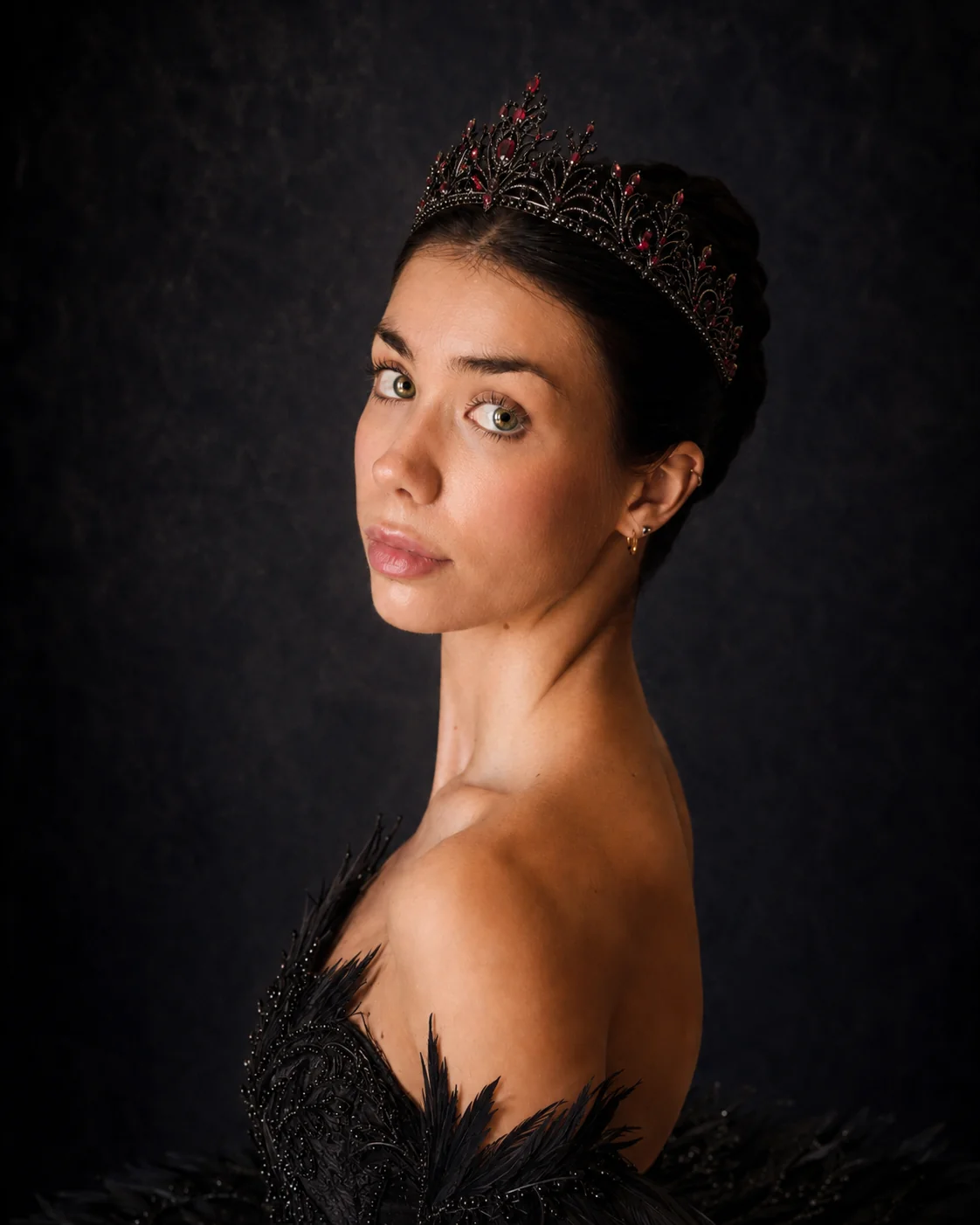
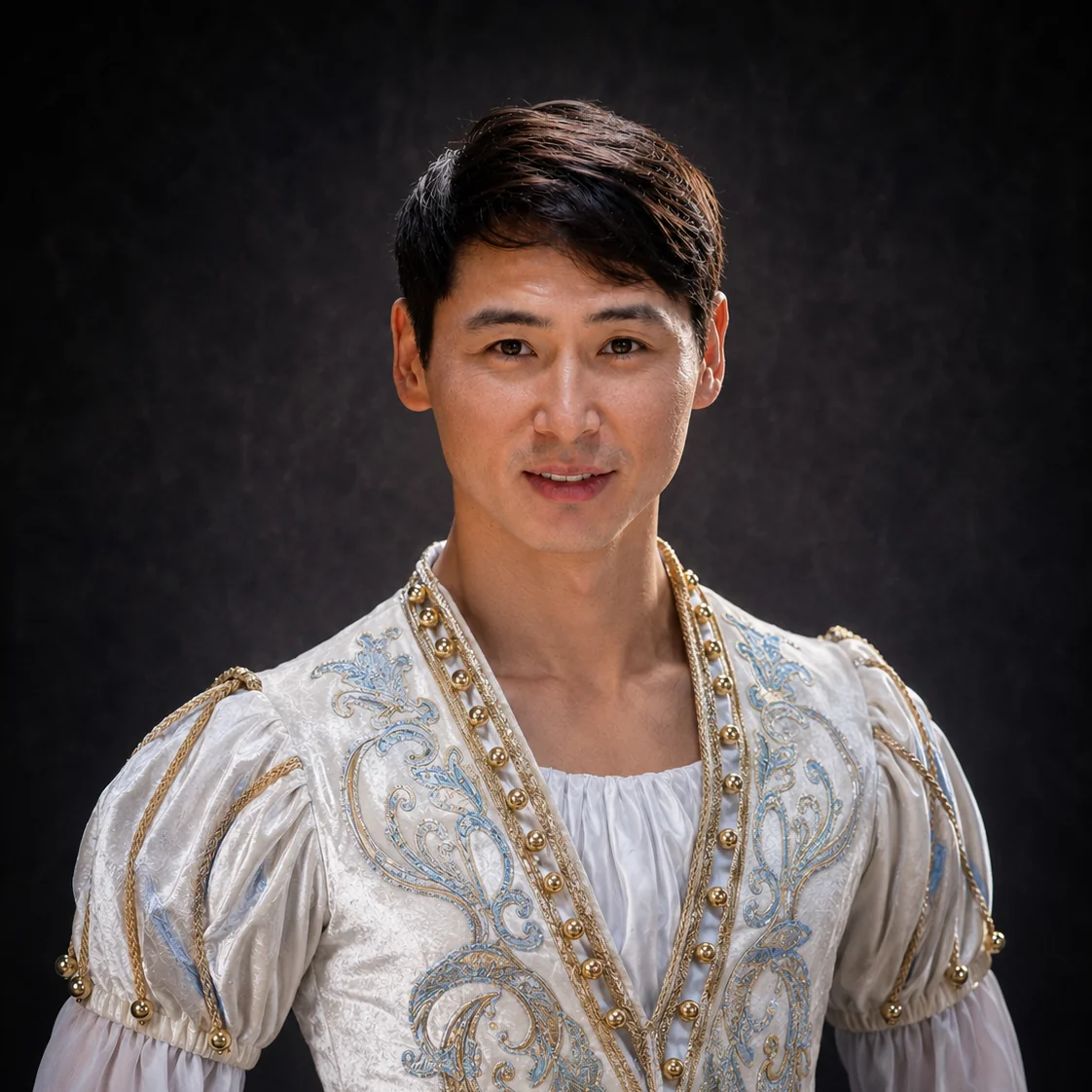
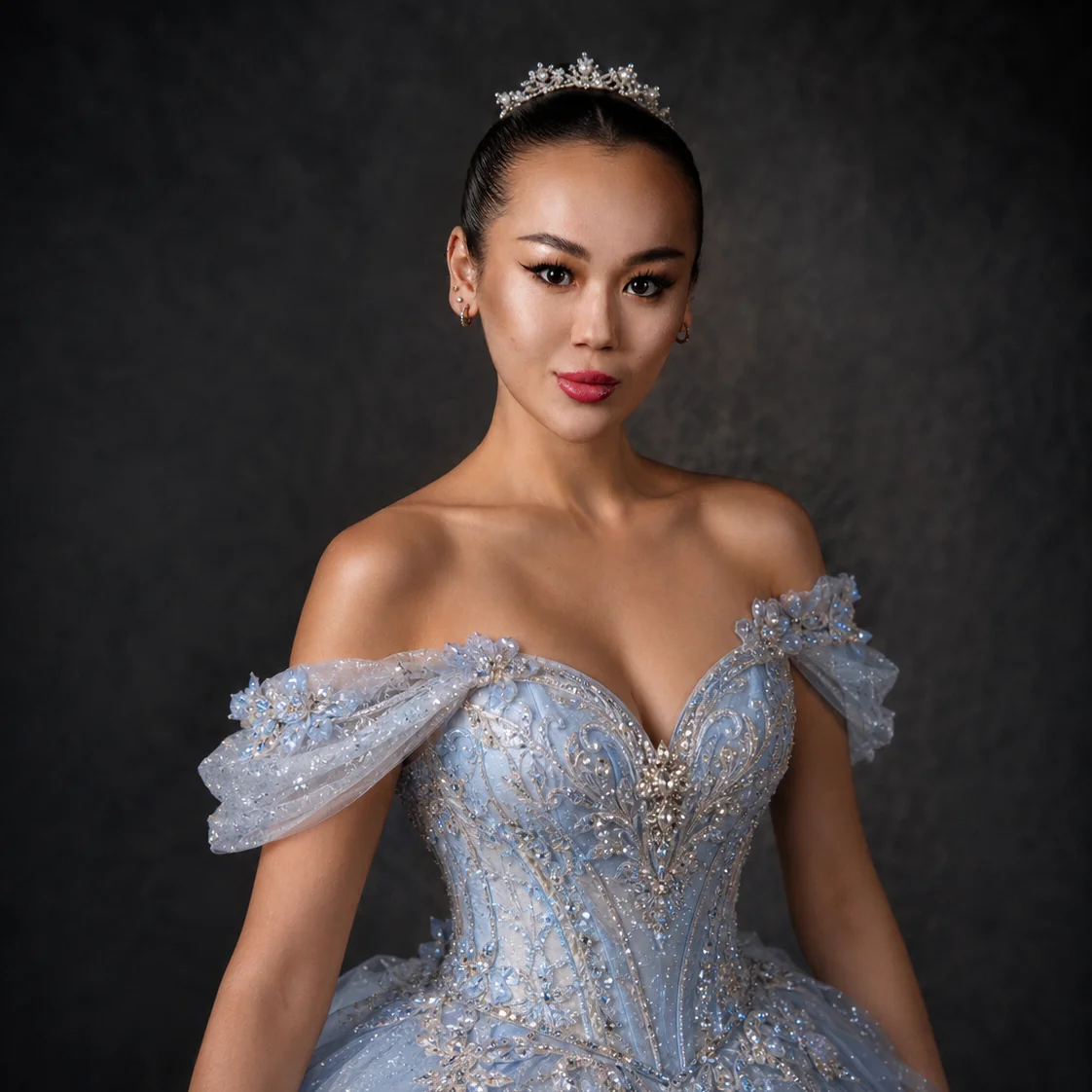
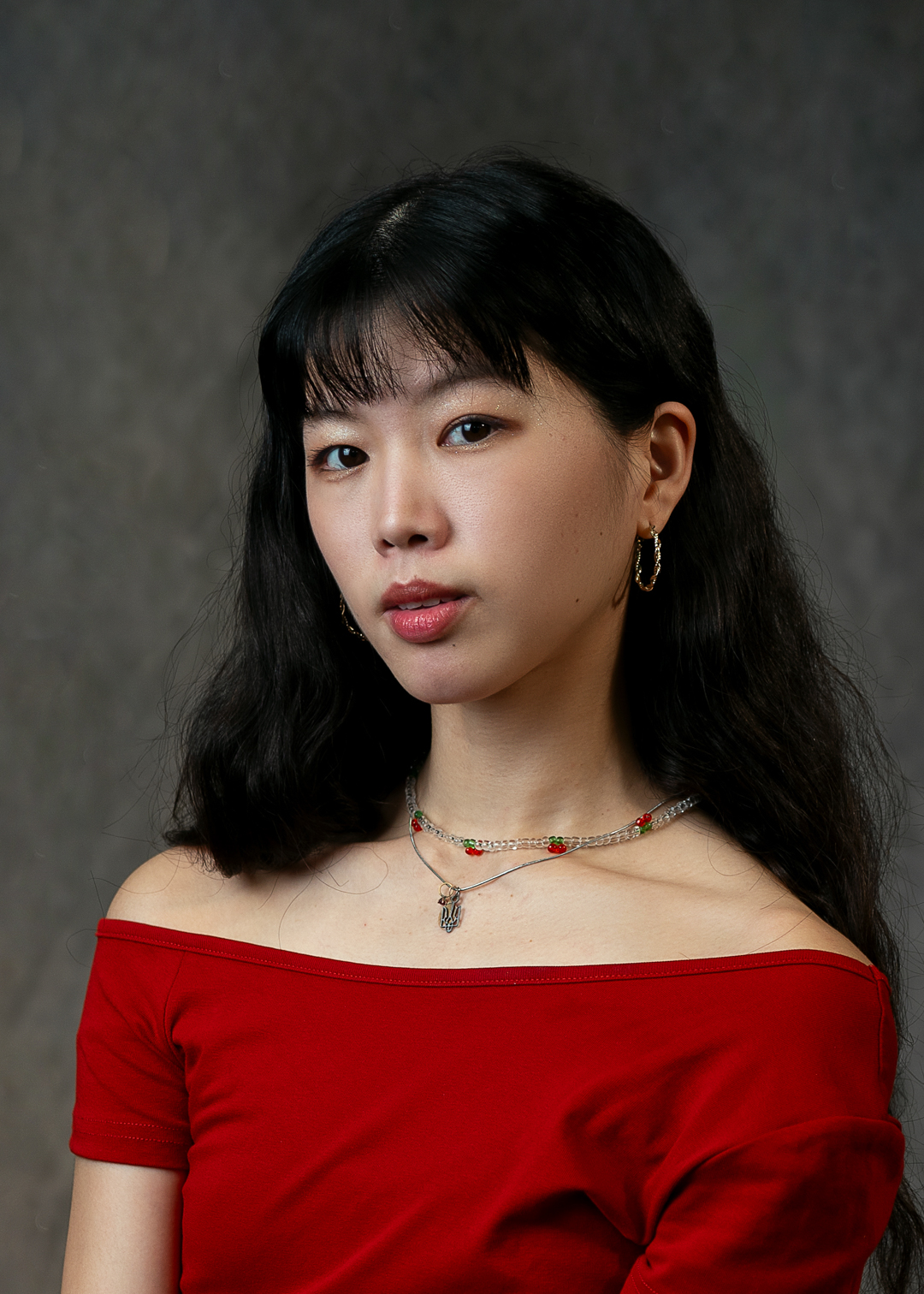
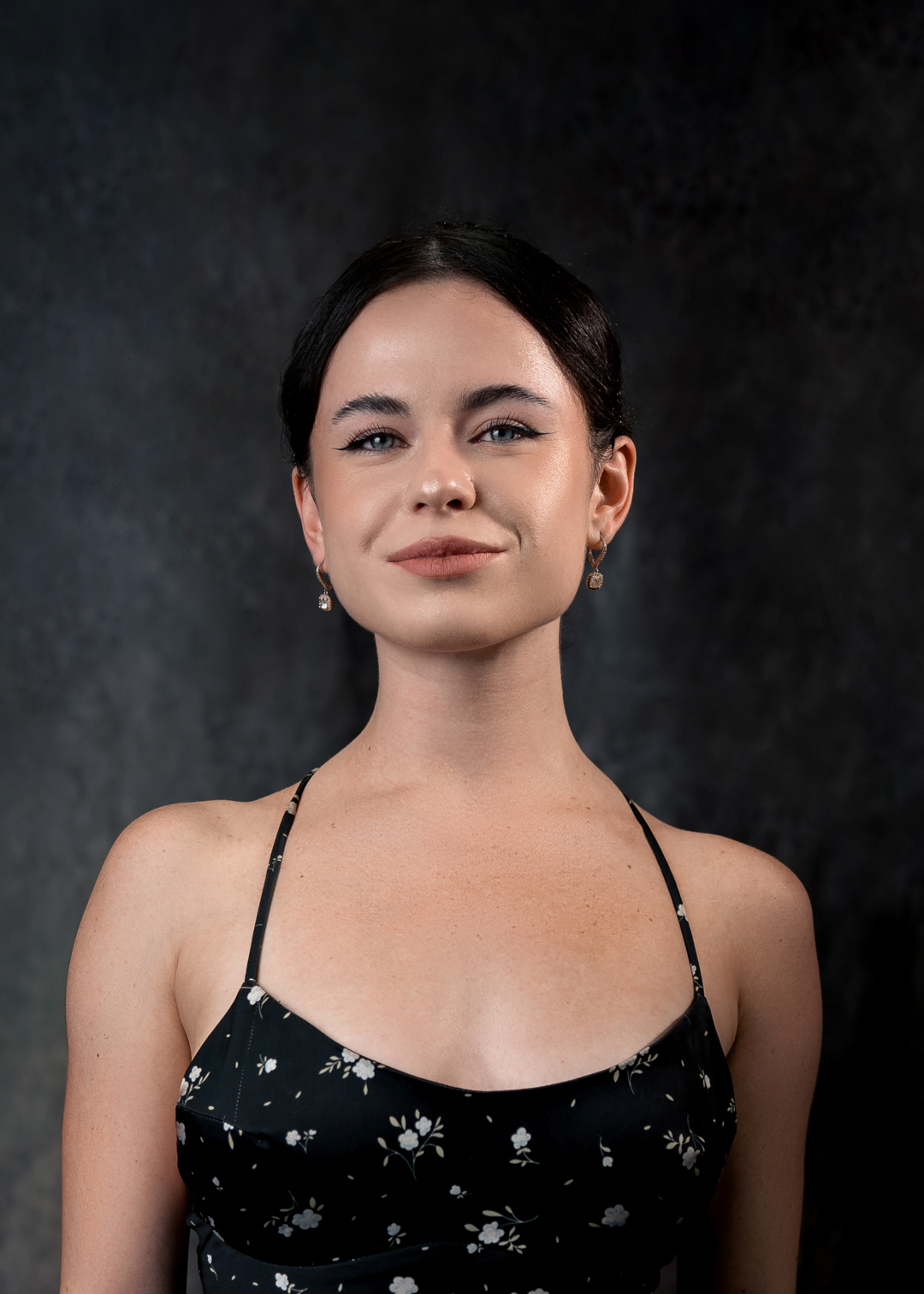
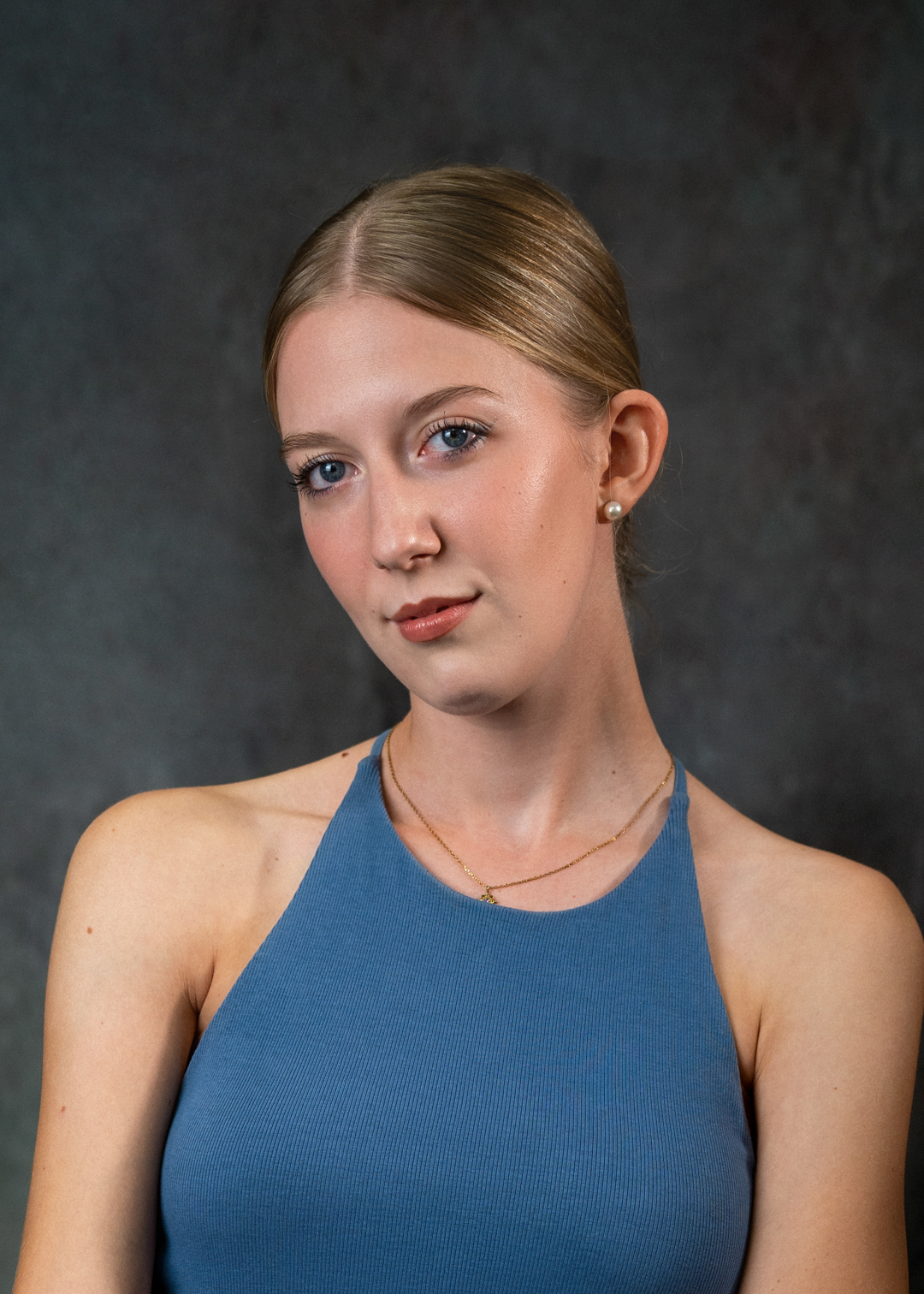
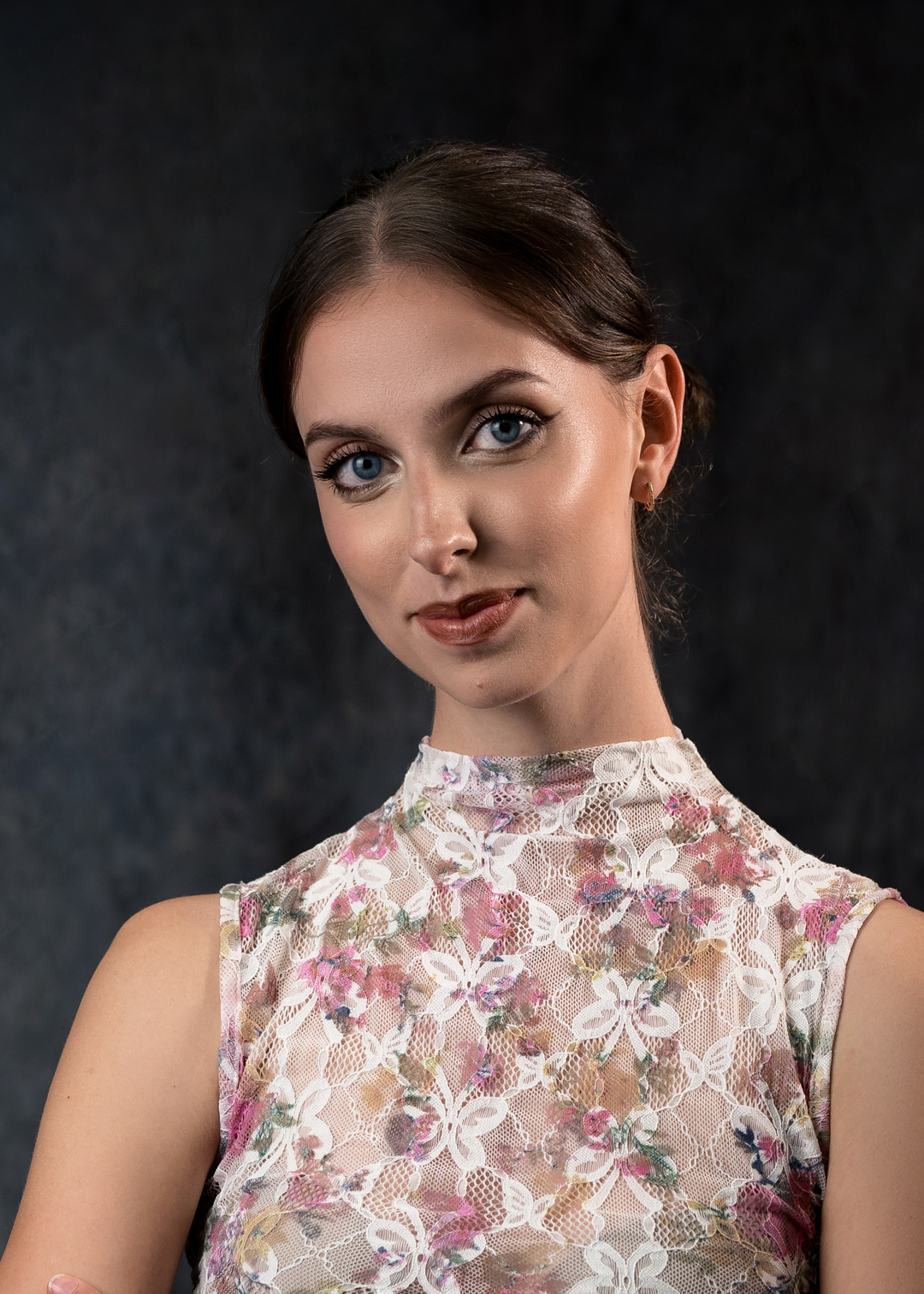
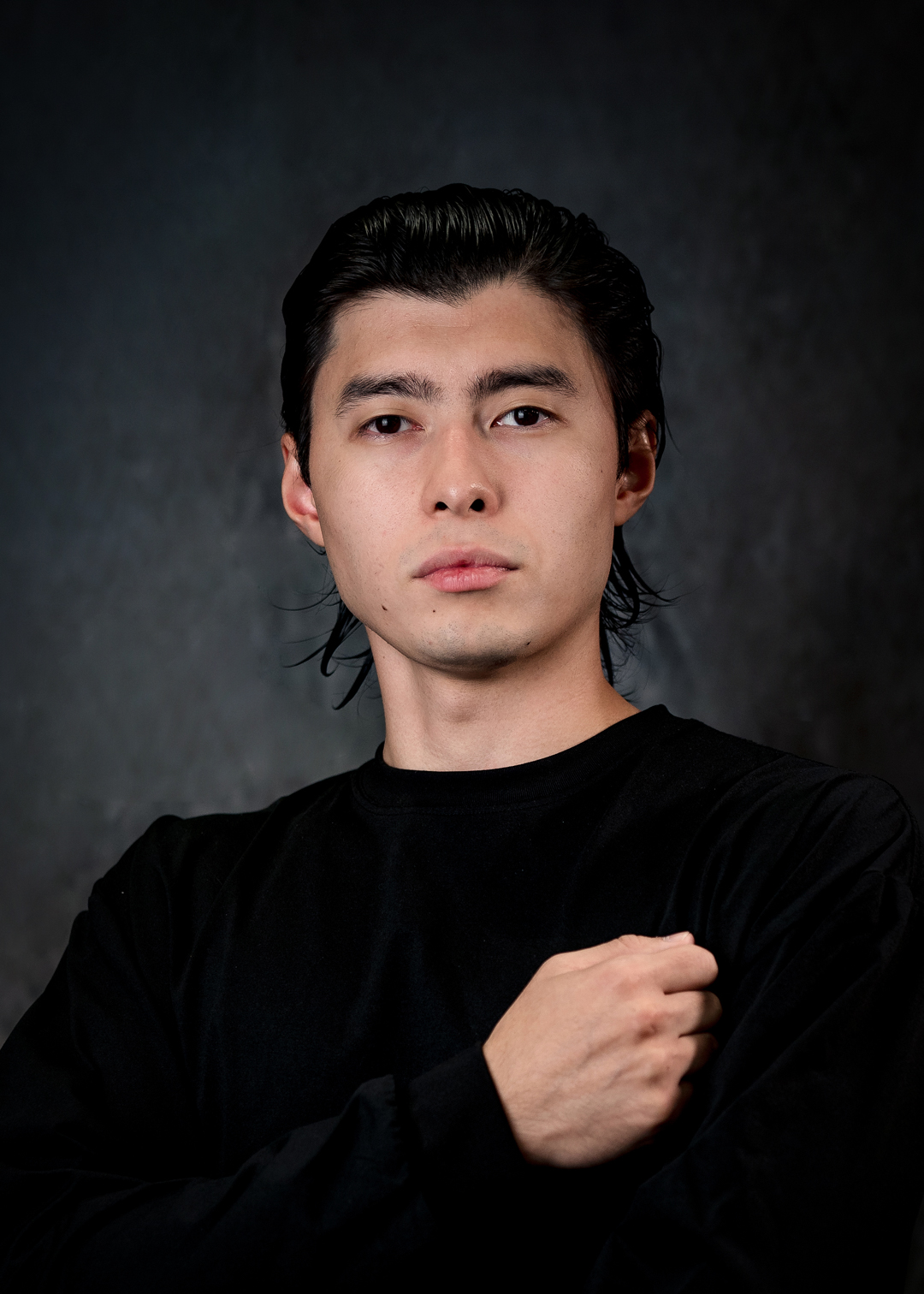
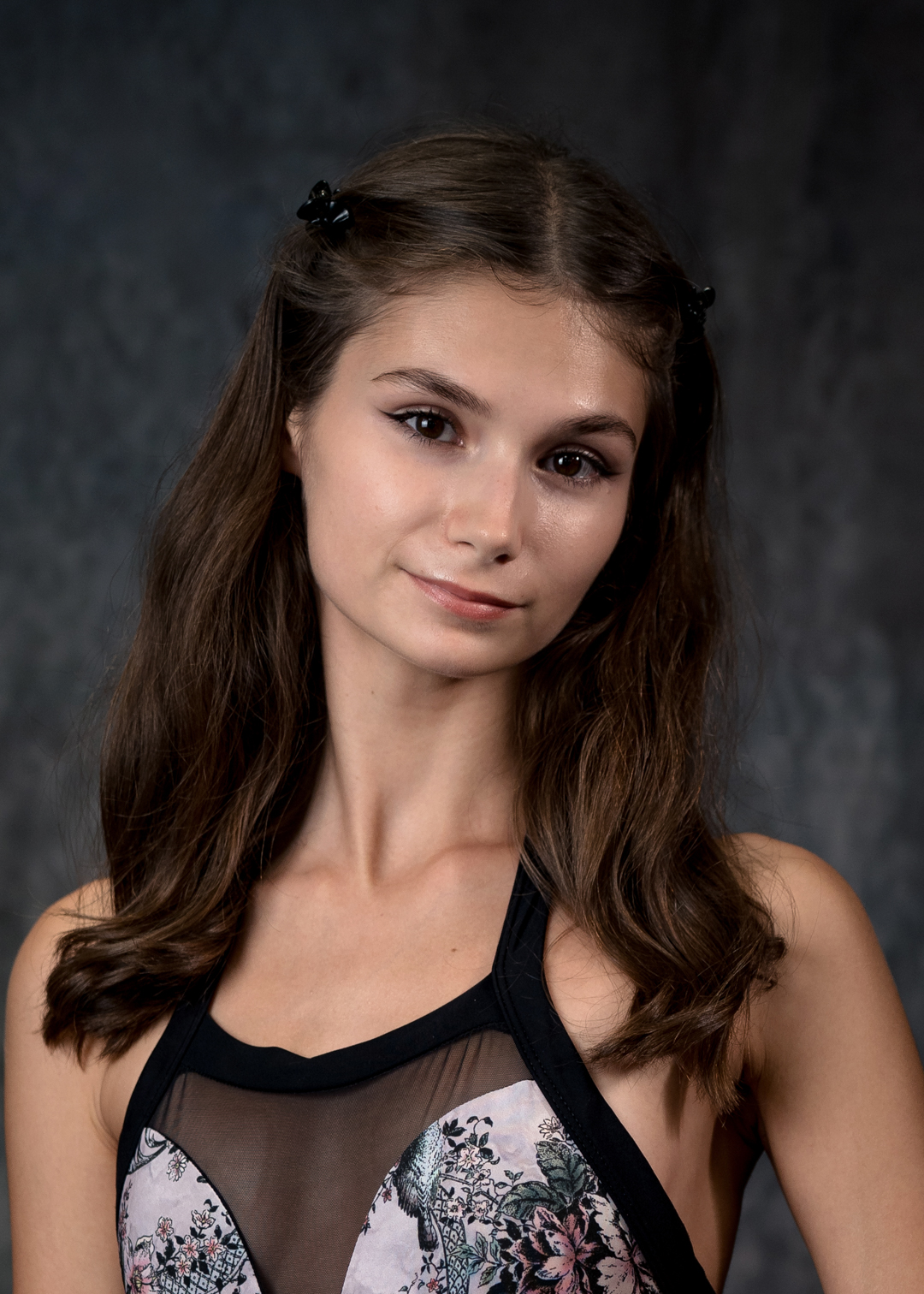
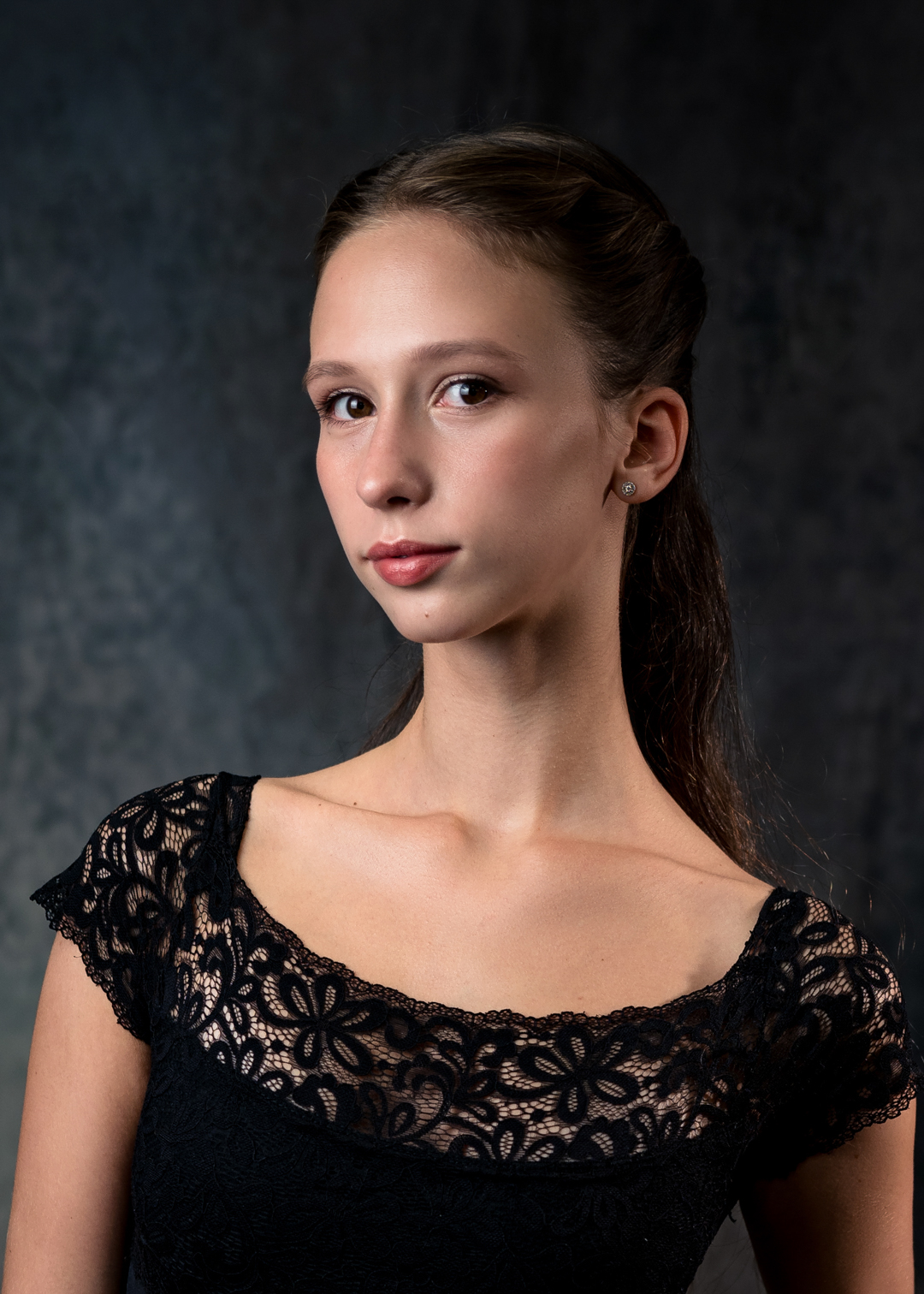
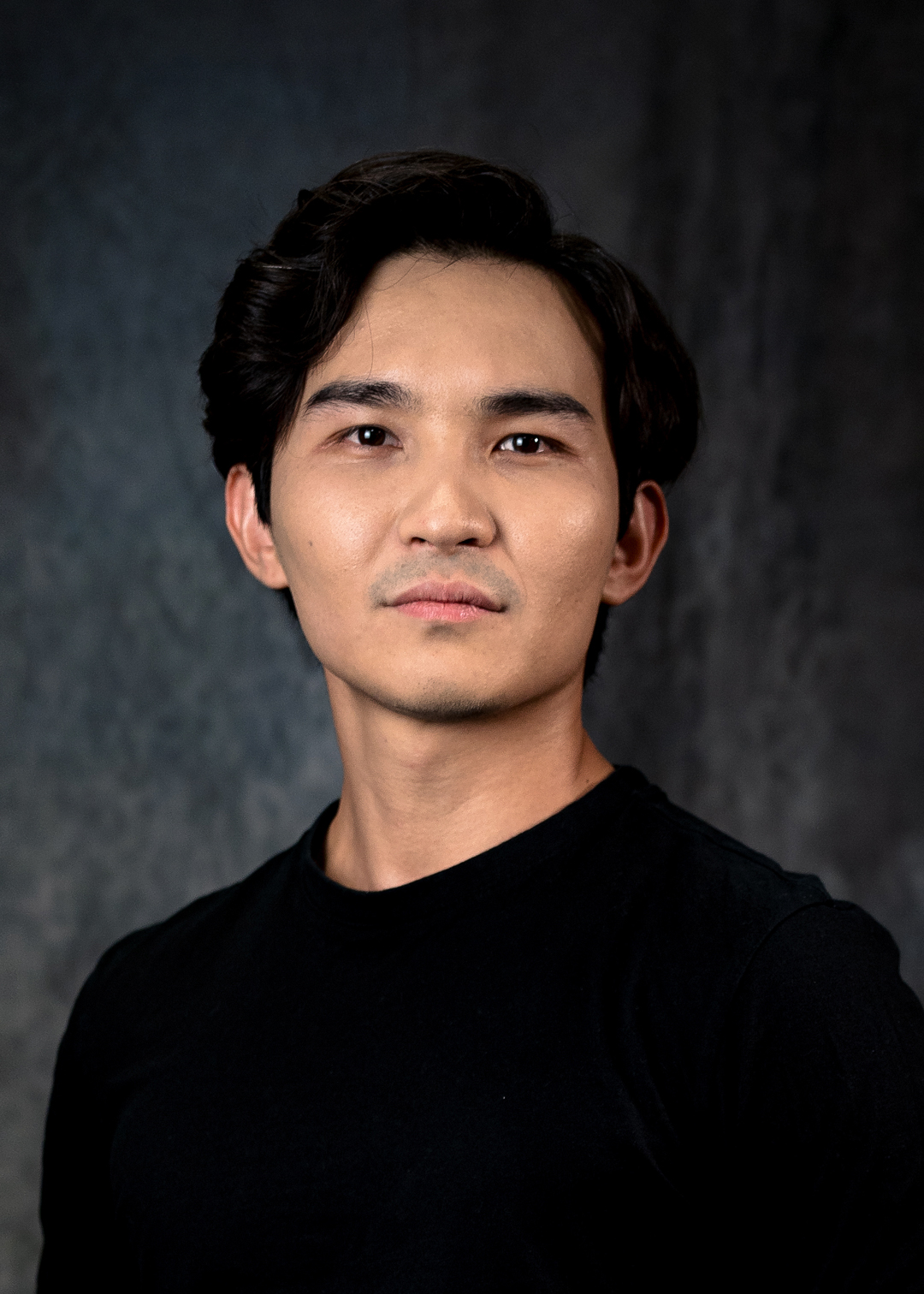
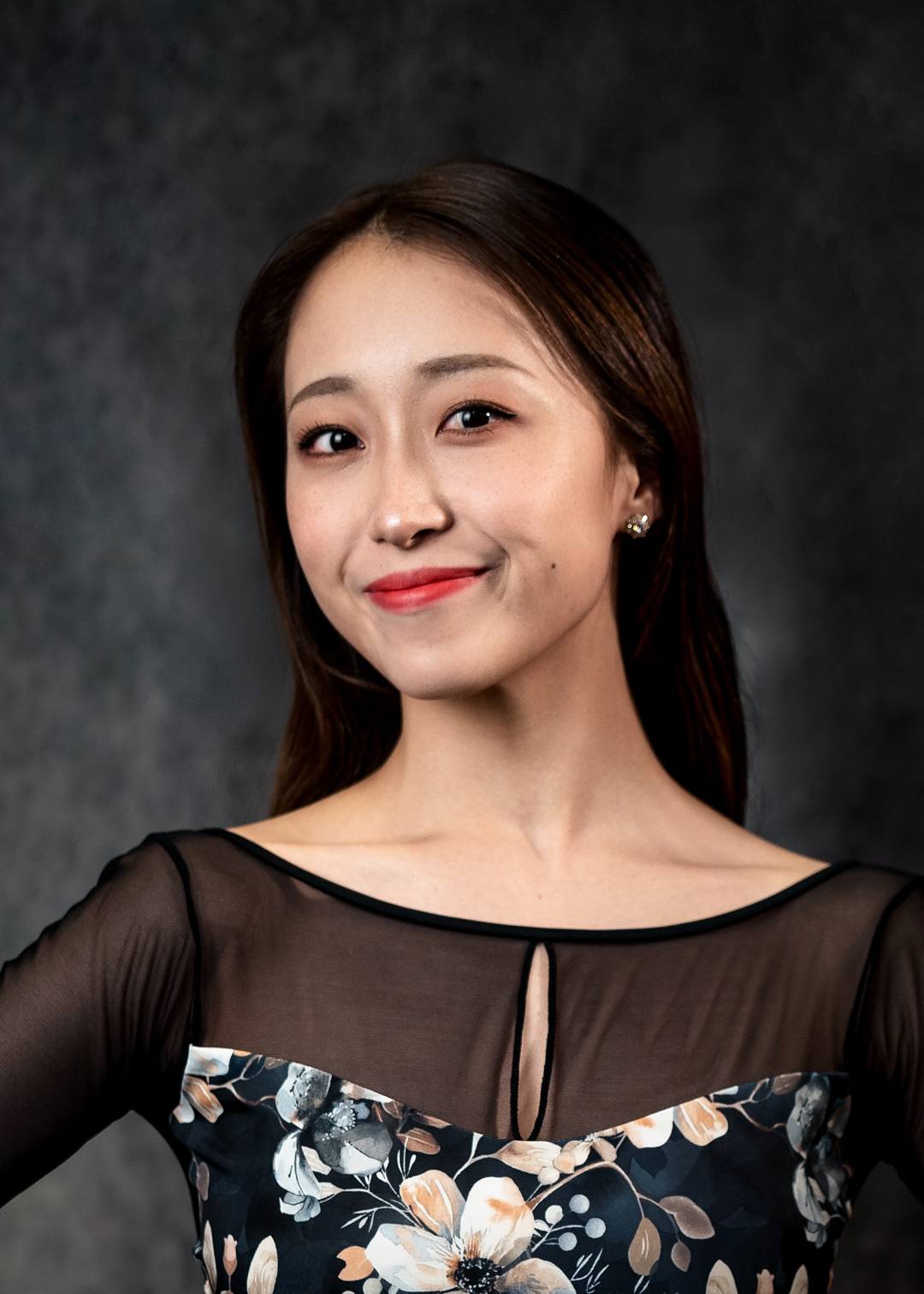
Principal Dancers

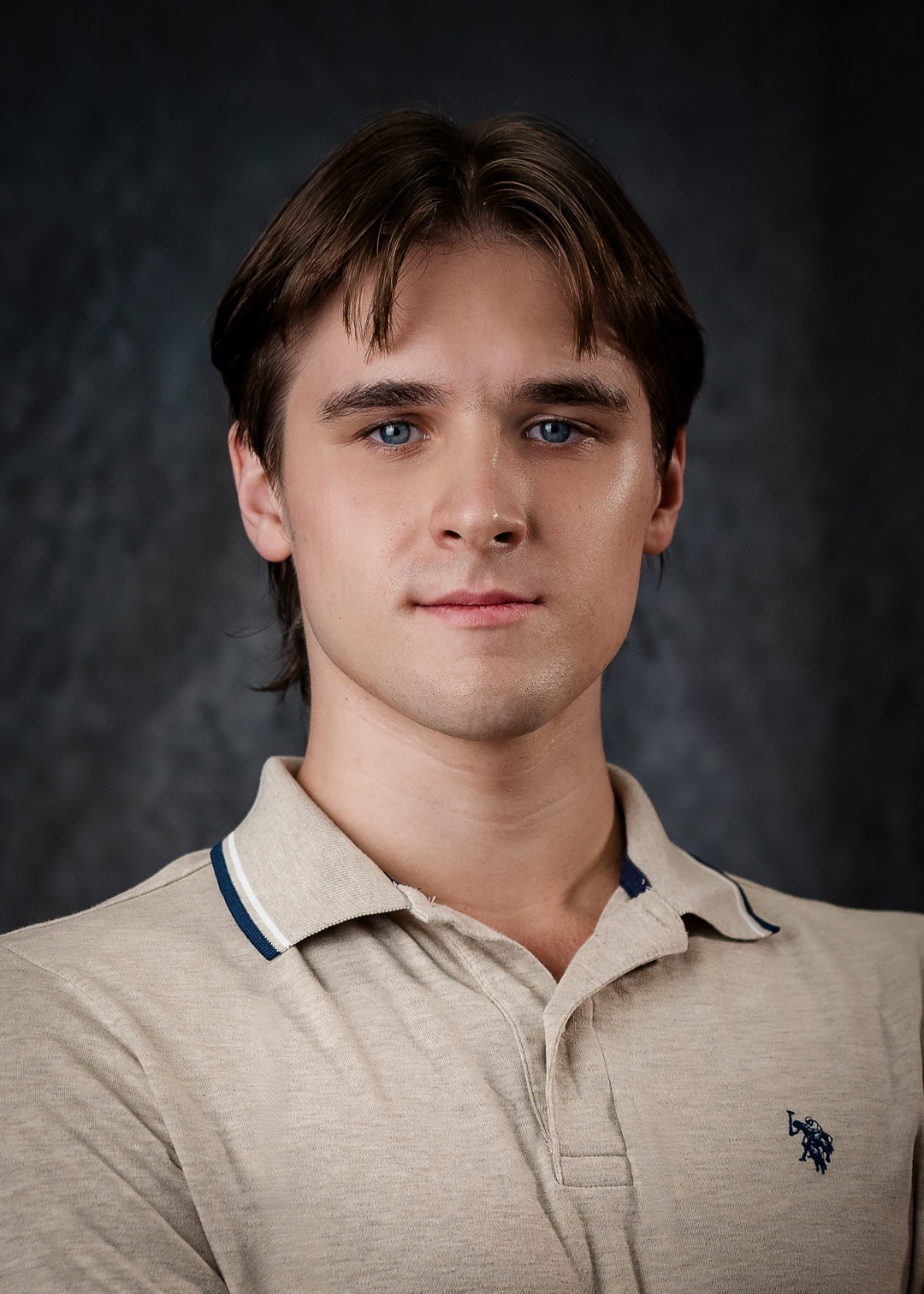
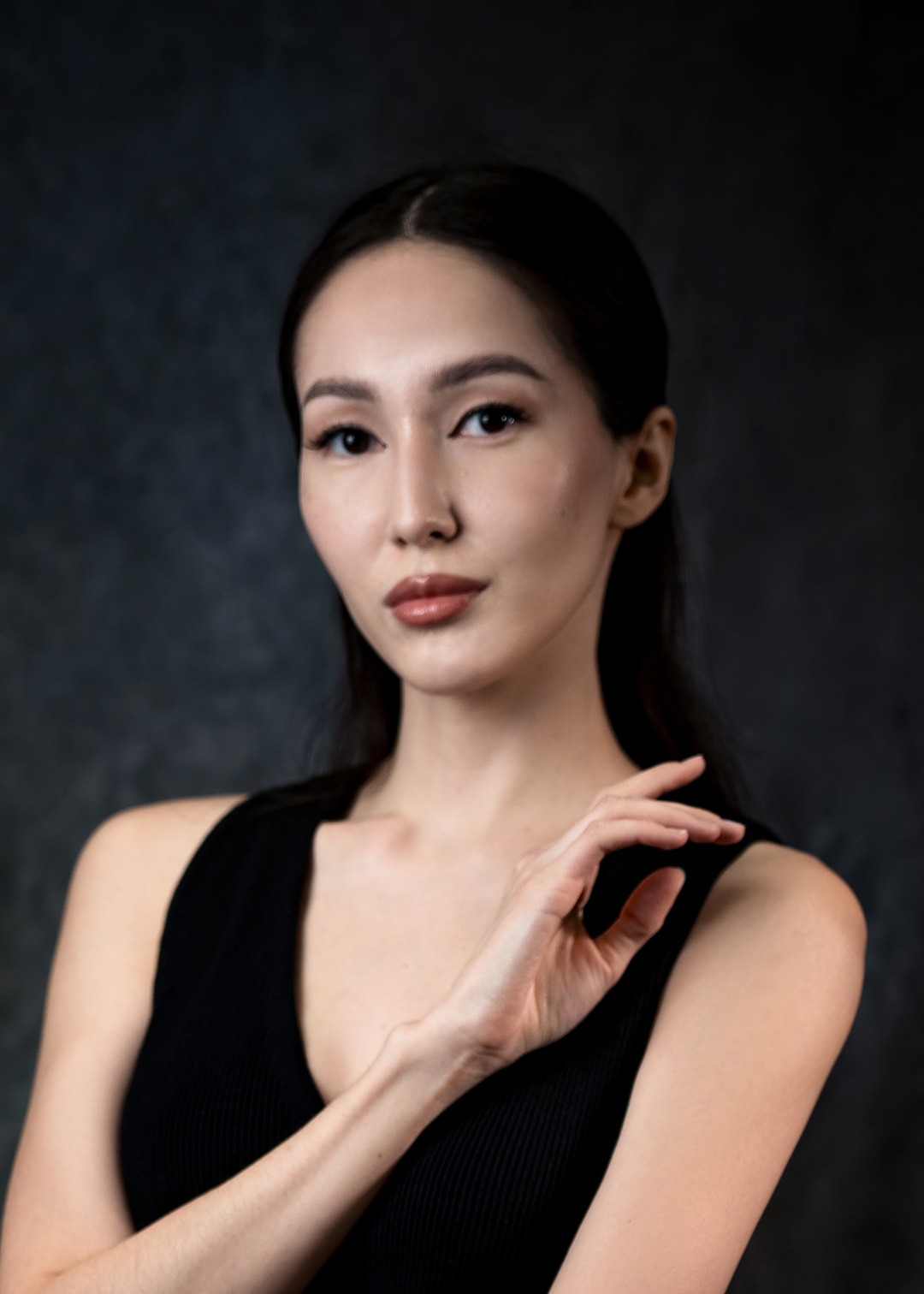
First Soloists

Corps de Ballet

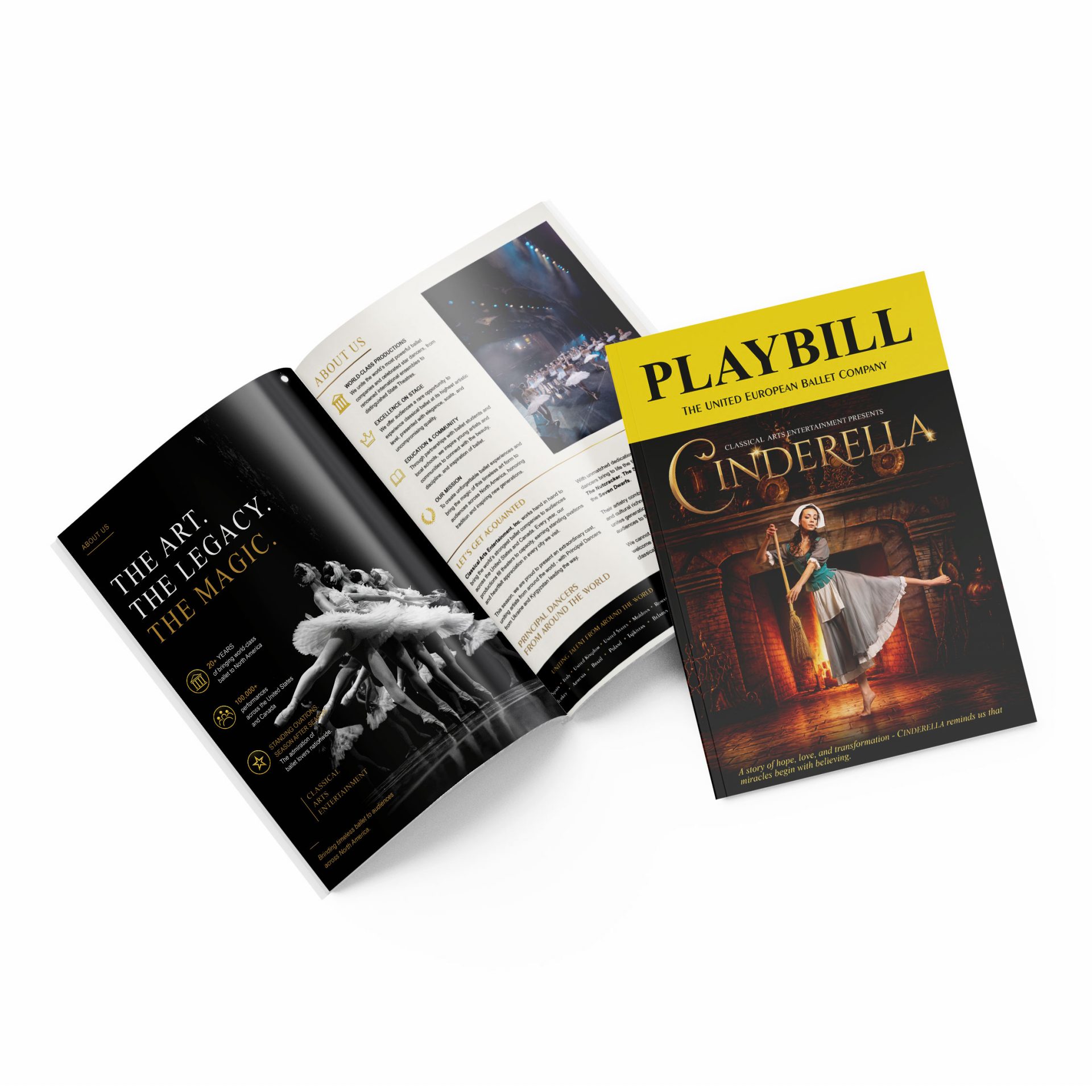
Playbill

View the Full Program

Meet the artists behind Cinderella, the stepsisters, and the Prince — and discover the story of Prokofiev’s score, one of the most recognizable in ballet.

Frequently Asked Questions

We’re Here to Answer Your Questions
Why does Cinderella end up with two shoes instead of one?

In this staging, the Fairy Godmother gives her a matching pair. She loses one fleeing the ball at midnight and hides the other at home, that is how she’s later able to prove who she is.

About one hour and forty-one minutes in total, including a twenty-minute intermission between the two acts.

The original 1945 production, set to Prokofiev’s score, was choreographed by Rostislav Zakharov for the Bolshoi Theatre. This touring version is staged by Michael Art, of Classical Arts Entertainment.

In some cities, yes. The I Love to Dance Program lets partner studios put local students on stage in small roles alongside the touring cast. Studios interested in hosting can reach out through the program directly.

It depends on the city. Some venues bring in a live orchestra for the performance; others use a professionally recorded track. Whichever it is, you’ll find it listed on that city’s event page ahead of time.

Not a strict one. People show up in everything from jeans to evening wear. Wear whatever feels right for a night out at the theatre.

Testimonials

Voices from Our Audience

The Story Behind the Ballet

Cinderella ballet is a full-length classical production set to the lush, expressive music of Sergei Prokofiev, presented by Classical Arts Entertainment and performed by the United European Ballet Company. It’s staged as a bright, Broadway-style family show, with romance, humor, and genuine theatrical spectacle woven into a story most audiences already know by heart, danced by an international cast from across Europe and Ukraine. Read on for the full story, the music behind it, and everything worth knowing before you book.

A few things to know before you go:

  • Two acts with one twenty-minute intermission
  • Music by Sergei Prokofiev, one of his most beloved scores
  • Hand-painted sets and hand-crafted costumes throughout
  • Family-friendly, suitable for the whole audience

Inside the Story

Cinderella lost her mother young and grew up under a stepmother who brought only chaos into the house, along with two stepsisters more interested in themselves than in her. Neighbors started calling her Cinderella because her dress was always dusted with ash from tending the fireplace but through it all, she stayed kind, dreamy, and quietly hopeful.

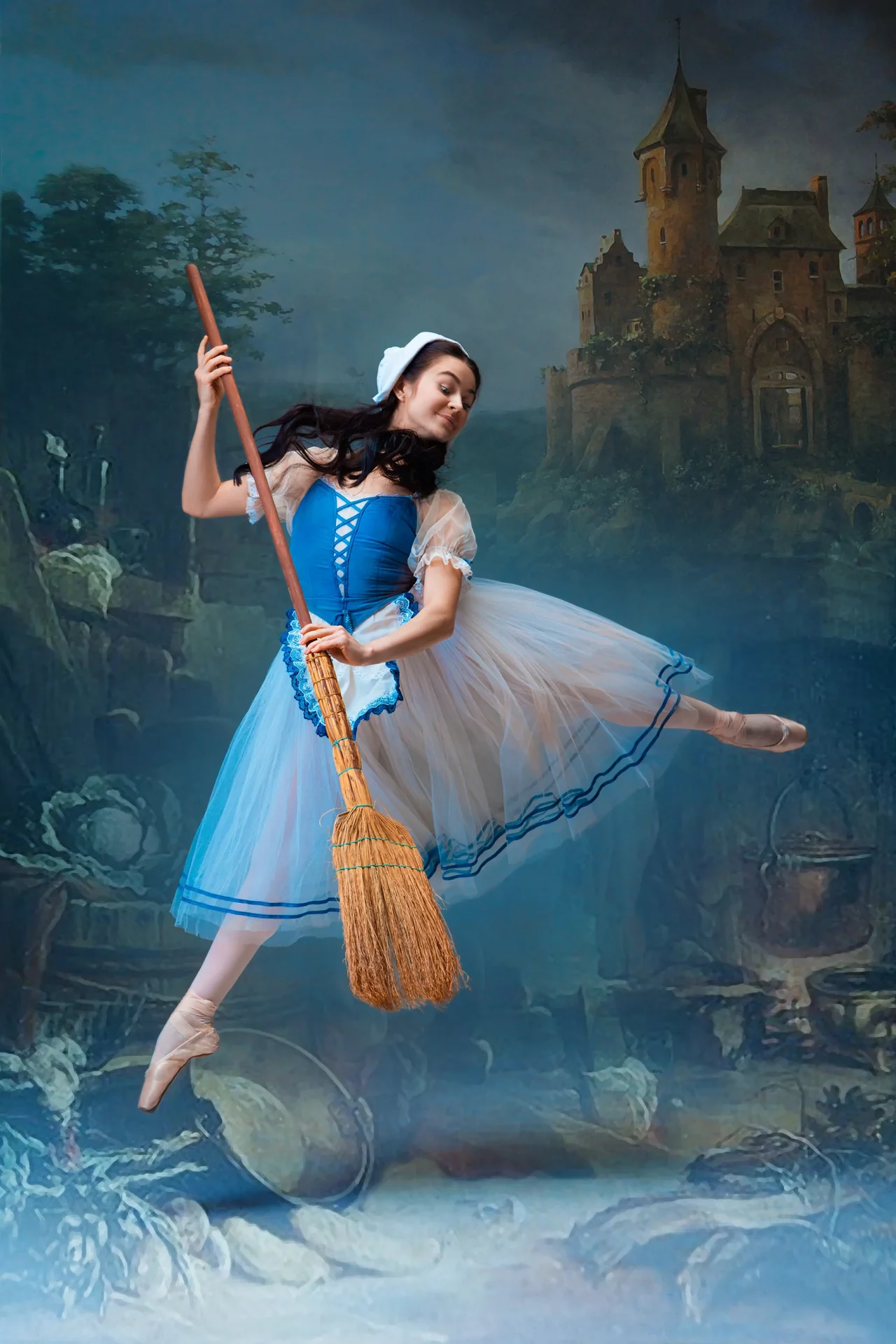
When news arrives of a royal ball, the house fills with tailors and dance teachers preparing the stepsisters, and Cinderella is left behind, dancing alone with a kitchen broom and imagining herself there. That’s when her Fairy Godmother appears: the kitchen transforms, the Fairies of the Seasons dance for her, and Cinderella receives a gown and a pair of crystal shoes — with one warning. The magic ends the moment the clock strikes midnight.

At the ball, the Prince is instantly captivated by the mysterious stranger in Cinderella’s path of guests. But midnight arrives mid-dance, the spell breaks, and Cinderella runs, leaving one crystal slipper behind in her escape. Quietly, she hides its match at home, telling no one where the evening really took her. When the Prince’s search finally reaches her door and the slipper fits, she reveals the second one herself — proof no one can argue with — and the Fairy Godmother returns one last time to carry the couple into a garden where their happy ending finally begins.

The Music Behind the Magic

Prokofiev wrote the score for Cinderella between 1940 and 1944, setting it aside partway through to compose his opera War and Peace before finishing what became one of his most performed works. It premiered in November 1945 at the Bolshoi Theatre in Moscow, choreographed by Rostislav Zakharov, arriving on the top of Prokofiev’s already-famous Romeo and Juliet. This touring production’s choreography, staged by Michael Art, keeps the same emotional core while shaping the ballet for a modern touring audience.

The music does a lot of the storytelling itself, waltzes swell for the ballroom, comic motifs trail the stepsisters everywhere they go, and the transformation scene shifts tone in a matter of bars, turning tension into wonder. It’s the kind of score that tells you exactly how to feel about a scene before a single dancer moves.

What to Expect on Stage

This is a timeless Cinderella ballet built around visual transformation as much as plot, a plain kitchen becomes a glittering ballroom, a pumpkin becomes a carriage, and Cinderella’s rags give way, piece by piece, to a shimmering gown. Hand-painted backdrops and hand-crafted costumes carry that from scene to scene, while the stepsisters’ loud, mismatched outfits keep the comedy visible even from the back row.

The performance runs about one hour and forty-one minutes in total, a thirty-six-minute first act, a twenty-minute intermission, and a forty-five-minute second act.

Tickets & Tour Schedule

This Cinderella ballet tours theatres across the United States and Canada throughout the season, with tickets available through local box offices and official ticketing partners. Because dates in popular cities tend to sell out early, it’s worth booking ahead, especially for families and school groups hoping to sit together.

Find your city, check the schedule, and reserve your seats before they’re gone. Group rates and studio partnerships through the I Love to Dance Program are also available for dance schools bringing students to see this ballet live on stage, hand in hand with professional dancers for one unforgettable night.

Classical Arts Entertainment

Don’t Miss the Next Performance Near You

Tickets are limited and often sell out in advance. Find your city and secure your seats today.