Performance Details

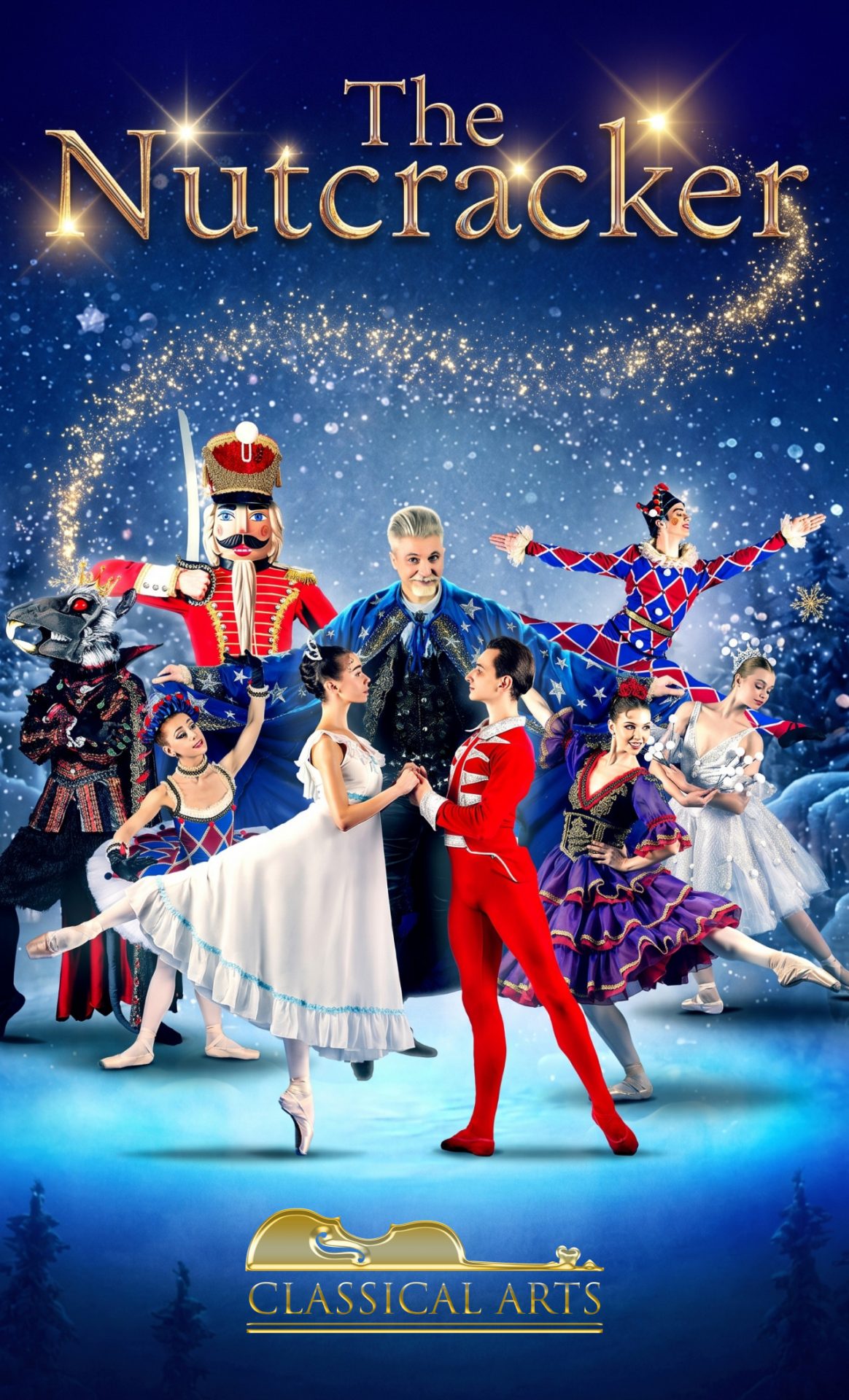
The Nutcracker

The world's favorite holiday ballet, the one night that brings the magic of childhood Christmas flooding back.
About

The Nutcraker Ballet

The Nutcracker traces its roots to December 1892, when it first premiered at Russia’s Imperial Mariinsky Theatre in St. Petersburg. Tchaikovsky’s score, built around the delicate sound of the celesta, remains one of the most recognizable pieces of music ever written for the theatre.

This touring production, performed by the United European Ballet Company, honors that legacy with hand-painted sets and more than 200 costumes, brought to life by a cast trained across 12 countries.

Story

Timeless Ballet Production

On Christmas Eve, young Clara receives a wooden nutcracker from her mysterious godfather, and that night it comes to life. When the Mouse King attacks, it’s Clara herself who turns the tide of the battle, throwing her slipper at the decisive moment and saving the nutcracker she loves.

Transformed into a handsome prince, he leads her through a snow-covered forest and into the Kingdom of Sweets, where the Sugar Plum Fairy welcomes them with dances from around the world, ending one dazzling farewell before Clara wakes to wonder if any of it was real.

Our Cast

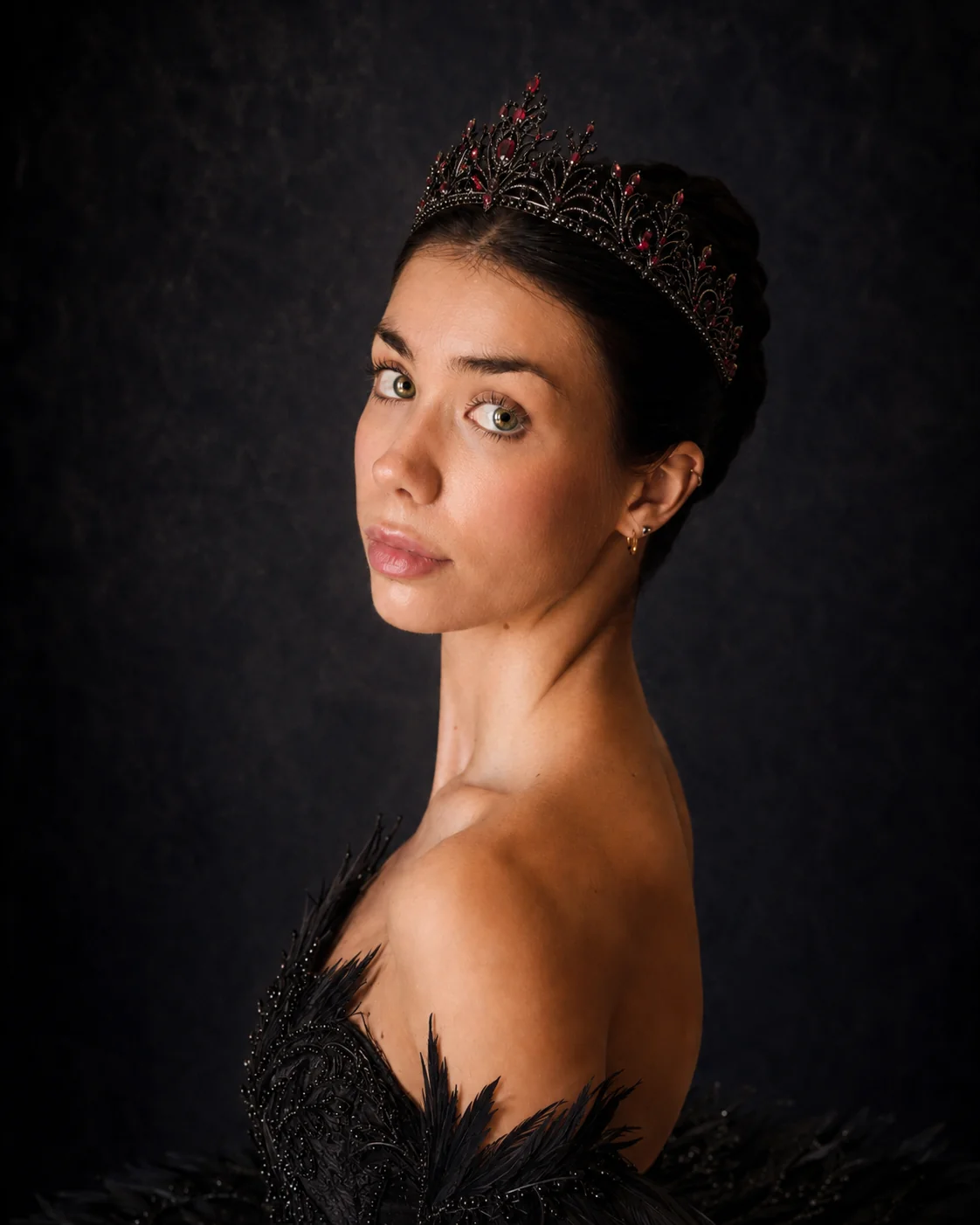
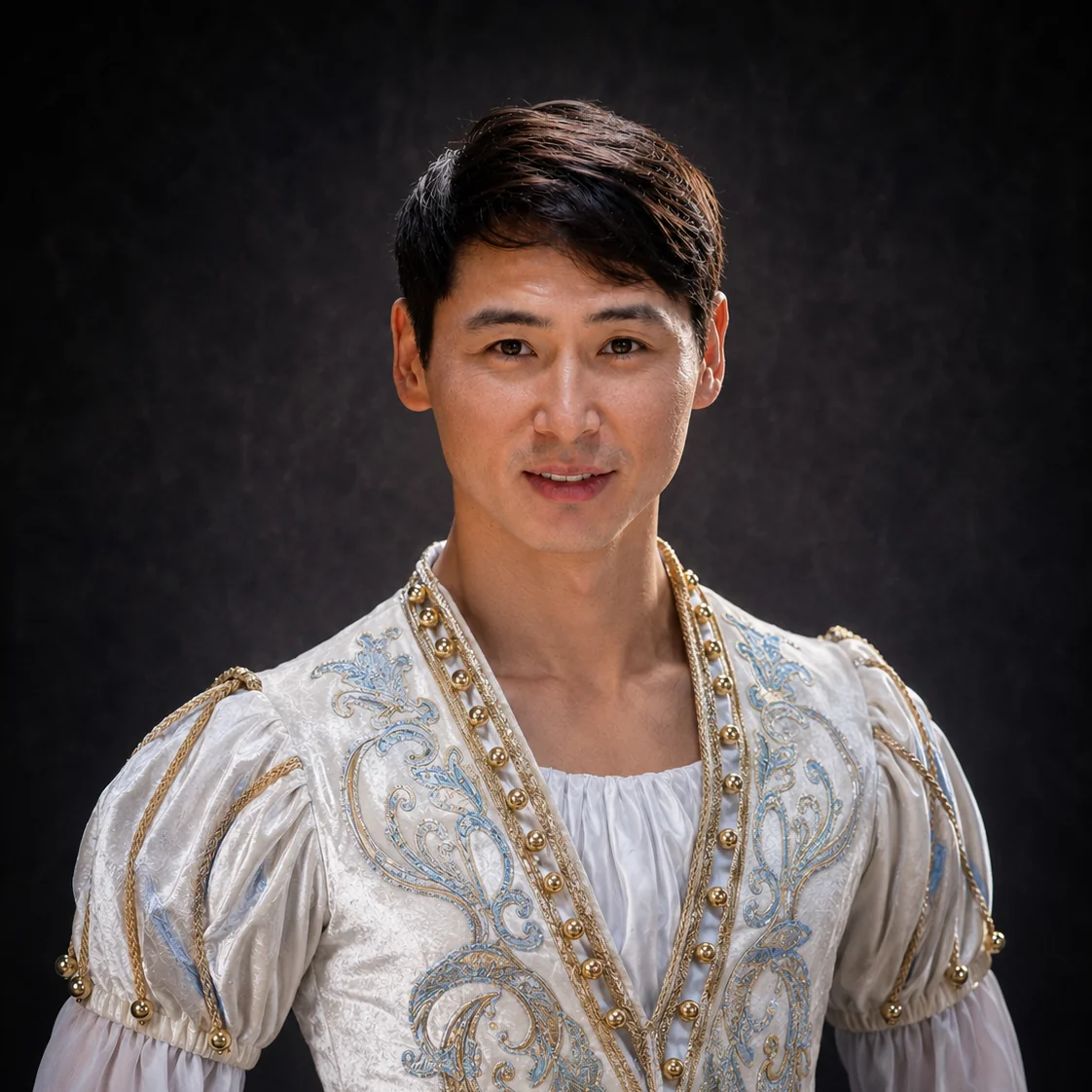
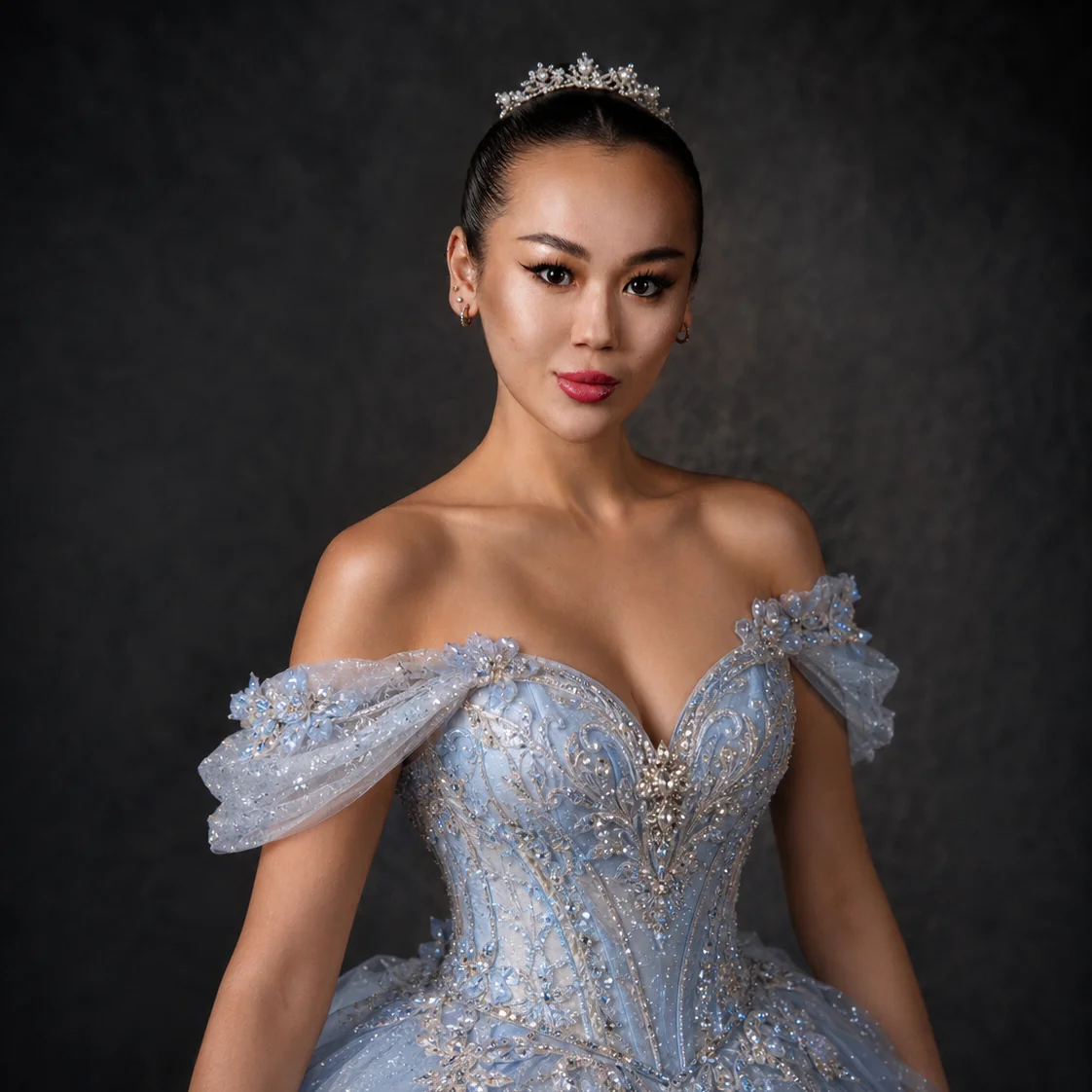
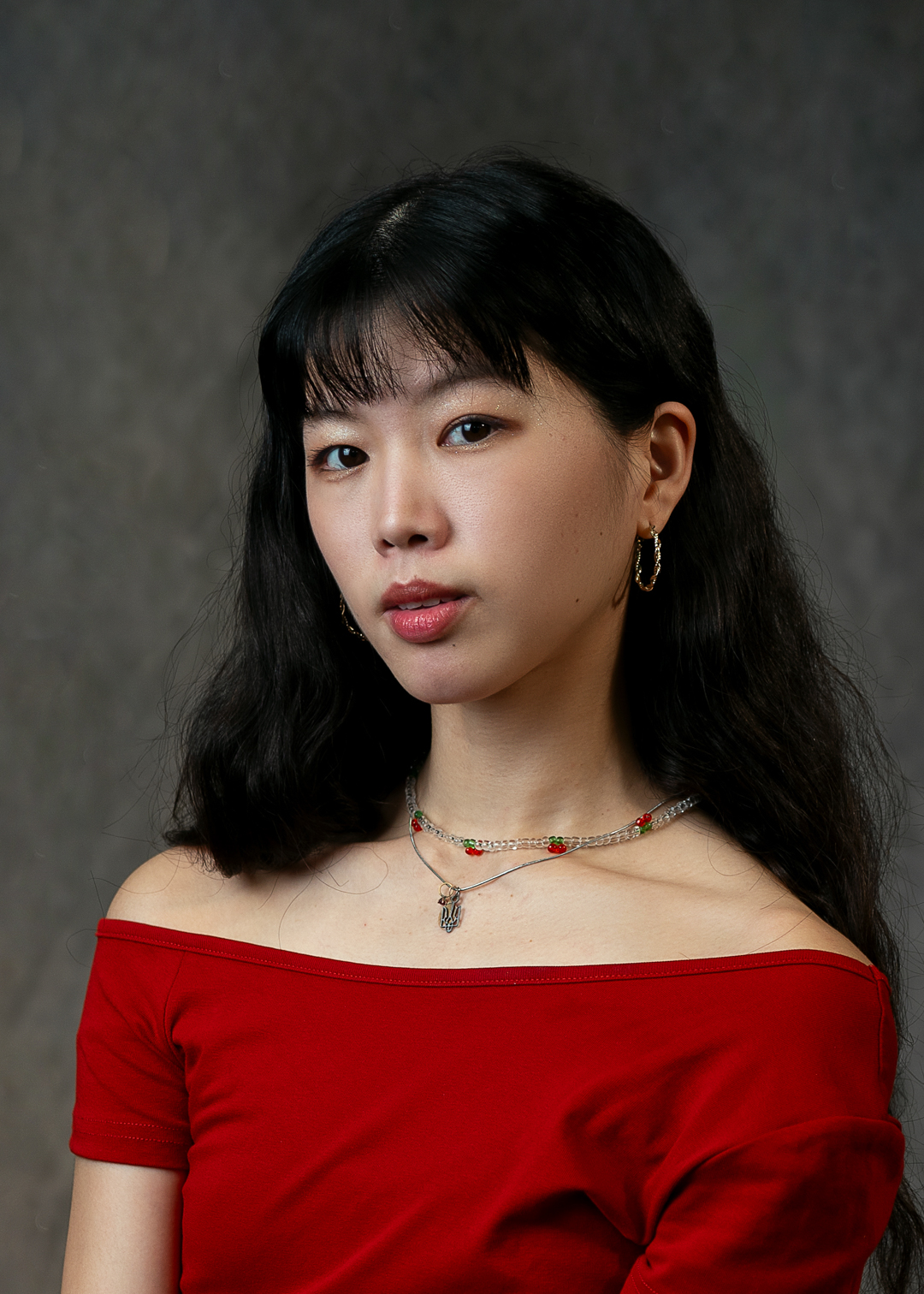
Principal Dancers

First Soloists

Corps de Ballet

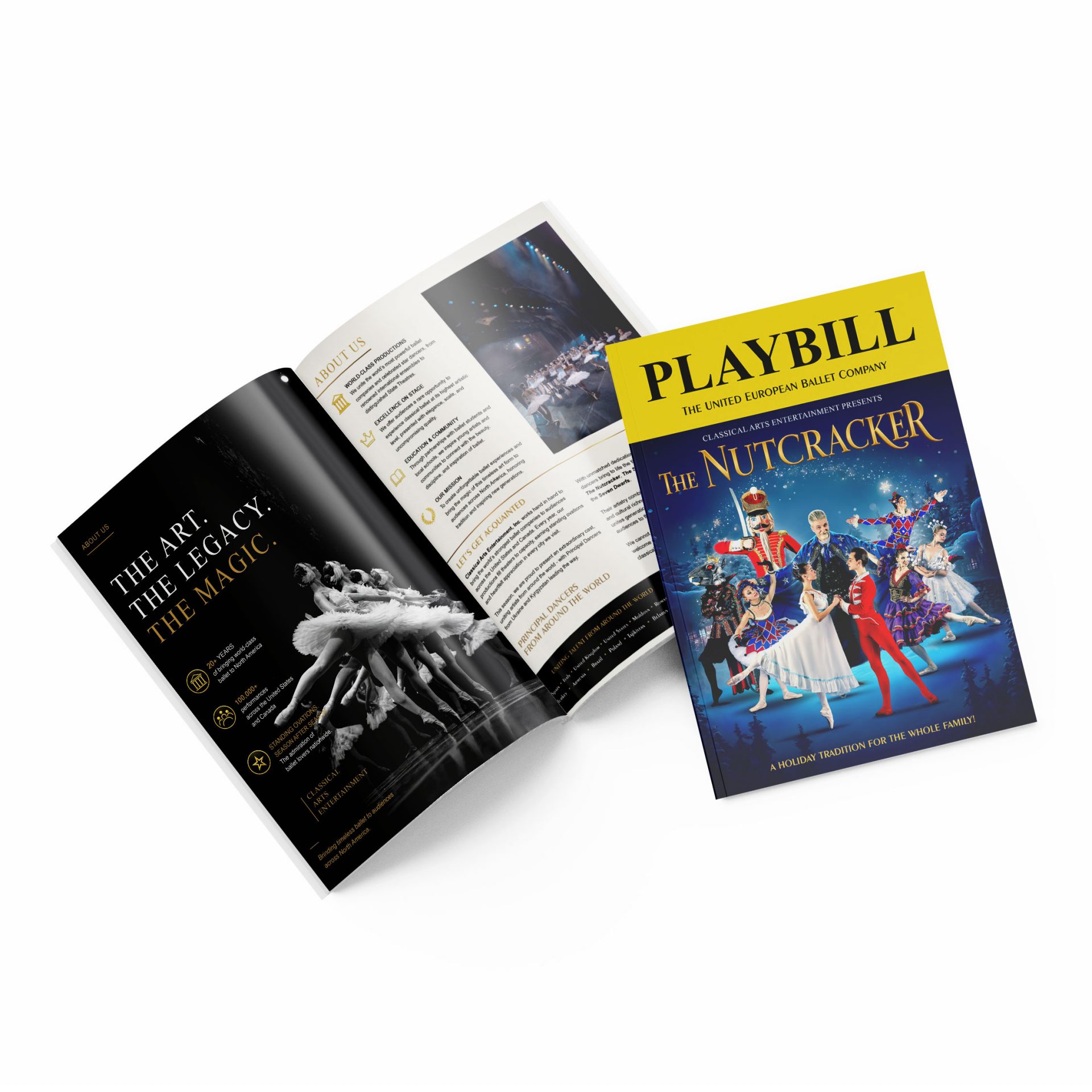
Playbill

View the Full Program

Everything you need to know before the curtain rises — cast bios, creative credits, and behind-the-scenes stories, all in one program.

Frequently Asked Questions

We’re Here to Answer Your Questions
How long does The Nutcracker run?

The performance runs about two hours in total — a fifty-minute first act, a twenty-minute intermission, and a fifty-minute second act, so it’s an easy evening to plan around.

It’s generally recommended for ages five and up. The battle scene has some drama, but nothing that tends to trouble young audiences for long, and the second act is pure sweetness from start to finish.

Earlier than you’d think. Dates around Christmas week sell out first in most cities, so booking as soon as your city is announced is the safest bet, especially for weekend shows.

Yes. Through the I Love to Dance Program, partner studios can audition young dancers for ancillary roles alongside the professional cast — a popular option for families with a dancer of their own.

Many venues offer a paid photo opportunity with a ballerina before the show, during intermission, or right after — a nice way to remember the show, with printed keepsakes available on-site.

There’s no formal dress code. Most guests choose smart casual or business casual attire, though comfortable clothing that suits the occasion works just fine.

Testimonials

Voices from Our Audience

More About The Nutcracker

The Nutcracker premiered on December 18, 1892, at the Imperial Mariinsky Theatre in St. Petersburg, at the same time with Tchaikovsky’s opera Iolanta. The libretto came from Marius Petipa, but illness kept him from finishing the choreography, and his assistant Lev Ivanov completed the work, a footnote that’s easy to forget once the curtain rises on all that snow and sugar.

The story began further back, adapted from Alexandre Dumas’s retelling of E. T. A. Hoffmann’s “The Nutcracker and the Mouse King.” Reception at the premiere was apathetic, the concert suite Tchaikovsky pulled from the score became famous long before the full production did. That gap has closed completely, today, this is one of the most performed ballet titles in the world every December, with countless sold-out performances staged across North America.

This touring production, performed by the United European Ballet Company, brings that legacy to the stage with hand-painted sets, more than two hundred costumes, and a cast drawn from a dozen countries. Read on for the story, the music, and everything you need to know before booking your family’s next holiday experience.

Here’s what to expect on the night:

  • Two acts with one twenty-minute intermission, running about two hours in total
  • Family-friendly, recommended for ages five and up
  • Tchaikovsky’s full score, live or beautifully recorded depending on the venue
  • Hand-painted sets and more than two hundred costumes on stage

The Story of The Nutcracker

On Christmas Eve, young Clara receives a wooden nutcracker from her mysterious godfather, Drosselmeyer. That night, after the party ends and the house goes quiet, the nutcracker comes to life and leads her toys into battle against the Mouse King. At the critical moment, Clara herself saves him, throwing her slipper to distract the Mouse King and turn the tide of the fight. The Mouse King defeated, the nutcracker transformed into a handsome prince.

Clara and her prince travel through a snow-covered forest, home to the Waltz of the Snowflakes, before arriving in the Kingdom of Sweets, where the Sugar Plum Fairy welcomes them with a parade of dances from around the world.

A few highlights from the Kingdom of Sweets:

  • Spanish chocolate, danced with sharp, castanet-driven flair
  • Arabian coffee, slow and sultry
  • Chinese tea, quick and playful
  • Slavic trepak, an explosive, high-energy showstopper
  • French dolls, light and delicately ornamented
  • The Waltz of the Flowers, building to one last, dazzling farewell

After that final farewell, Clara wakes up back in her own living room, wondering if any of it really happened.

The Music and Choreography

Tchaikovsky’s score is one of the most recognizable pieces of music ever written for the stage, instantly familiar even to people who have never seen a ballet. Its use of the celesta for the Sugar Plum Fairy’s theme was so novel at the time that Tchaikovsky kept the instrument a secret from rival composers until opening night.

Ivanov’s choreography leans on clarity and warmth, the Snowflakes move as one moving mass, the Sugar Plum Fairy’s variation is precise and light, and the Act I party scene gives the whole cast, including the youngest dancers, room to shine. Local dance students often join this scene through the I Love to Dance Program, sharing the stage with professional artists for one unforgettable night. It’s technically demanding for the leads and genuinely welcoming for a first-time audience, which is part of why this production has stayed a family tradition for well over a century.

Costumes & Stage Design

This production leans fully into holiday spectacle: a towering Christmas tree that grows before the audience’s eyes, a snow-filled forest, and a candy-colored Kingdom of Sweets, all built from hand-painted backdrops rather than projections. More than two hundred costumes carry the production from a Victorian parlor to a battlefield of toy soldiers to a court of sweets, each look distinct enough to hold a child’s attention scene to scene. Even the mice get their own dramatic silhouettes, oversized and slightly comic, striking the right balance between spooky and family-friendly.

Every design choice supports the same idea: that Christmas Eve can tip over into pure magic if you look at it the right way, and this evening is built to make that feeling last well past intermission.

Tickets & Show Schedule

The Nutcracker performance tours theatres across the United States and Canada each holiday season, and tickets are available through local box offices and official ticketing partners. Because dates in popular cities sell out early, especially around Christmas week, it’s worth booking well ahead of the busiest performances.

Find your city, check the schedule, and reserve your seats before they’re gone. Group rates and studio partnerships through the I Love to Dance Program are also available for dance schools bringing students to see this nutcracker live on stage — a memorable experience for young dancers and their families alike.

Classical Arts Entertainment

Don’t Miss the Next Performance Near You

Tickets are limited and often sell out in advance. Find your city and secure your seats today.